
Loading ...
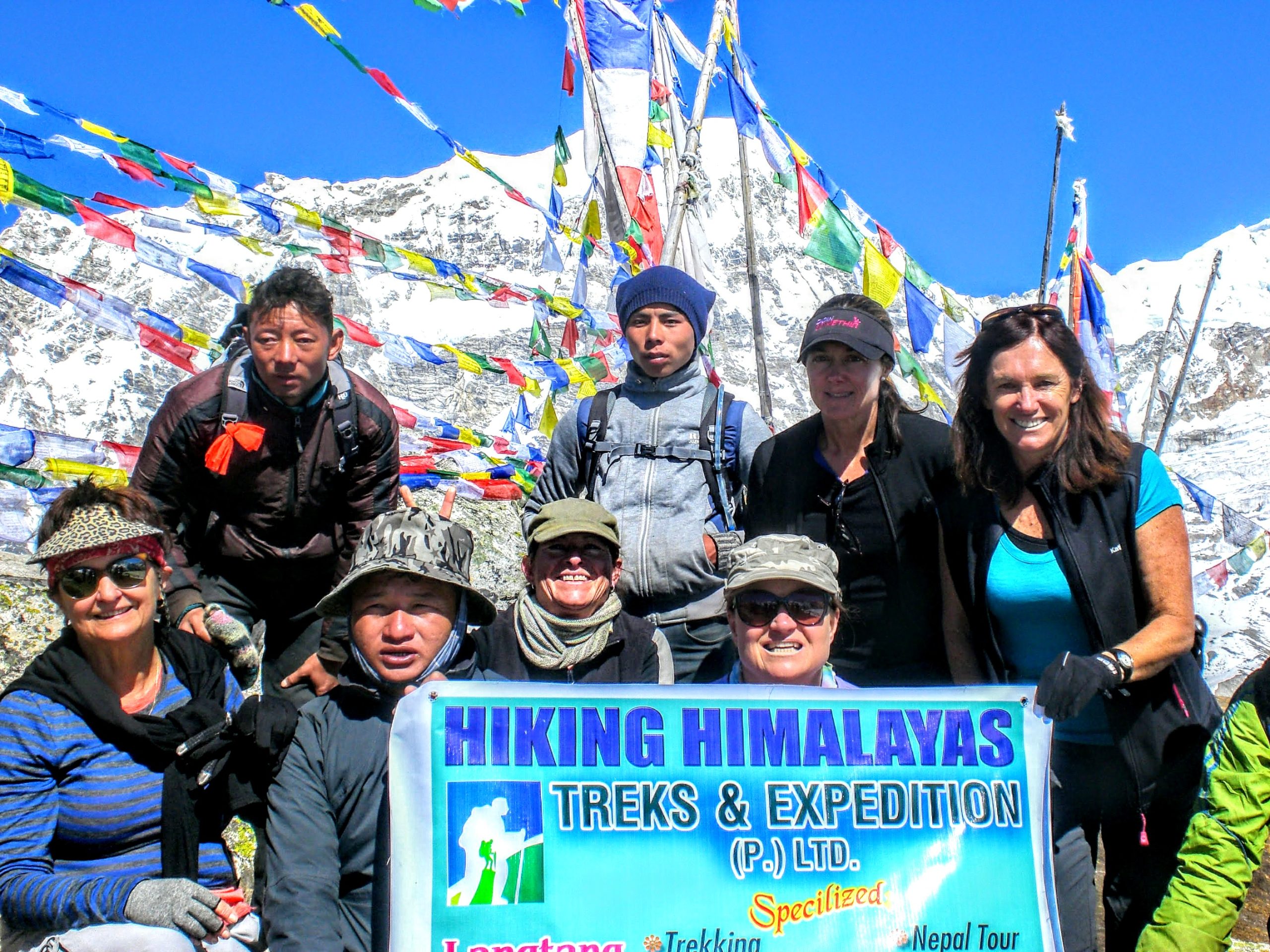
Tucked away just north of Kathmandu, Langtang Valley Trekking is one of the most underrated yet soul-stirring adventures in the Himalayas. While the Everest and Annapurna regions get much of the spotlight, Langtang quietly waits with its pristine trails, ancient cultures, and close-up mountain views that are nothing short of magical.
This trek offers everything a Himalayan adventurer could ask for—snow-capped peaks, lush pine forests, alpine meadows, glacial rivers, yak pastures, and warm Tamang hospitality—all in under a week. It’s a rare chance to experience the raw wilderness of Nepal without the crowds.
For those looking to venture off the beaten path yet stay within a manageable distance from Kathmandu, Langtang Valley Trekking delivers an unforgettable escape into nature’s untouched beauty.
Where is Langtang Valley? Geography and Himalayan Beauty Unveiled
Langtang Valley lies within Langtang National Park, in the central Himalayas of Nepal, bordering Tibet. It’s only about 130 kilometers north of Kathmandu, making it one of the most accessible trekking regions in the country. Yet despite its proximity, Langtang remains wild and remote.
The valley is carved by the mighty Langtang Khola (river) and flanked by towering peaks such as Langtang Lirung (7,227m), Dorje Lakpa (6,966m), and Gangchempo (6,387m). The terrain rises dramatically from subtropical forests to rugged high alpine zones, allowing trekkers to witness a fascinating shift in climate, vegetation, and scenery.
Because of its location along the ancient salt trading route to Tibet, the Langtang Valley also carries deep spiritual and cultural roots, heavily influenced by Tibetan Buddhism and the Tamang ethnic group.
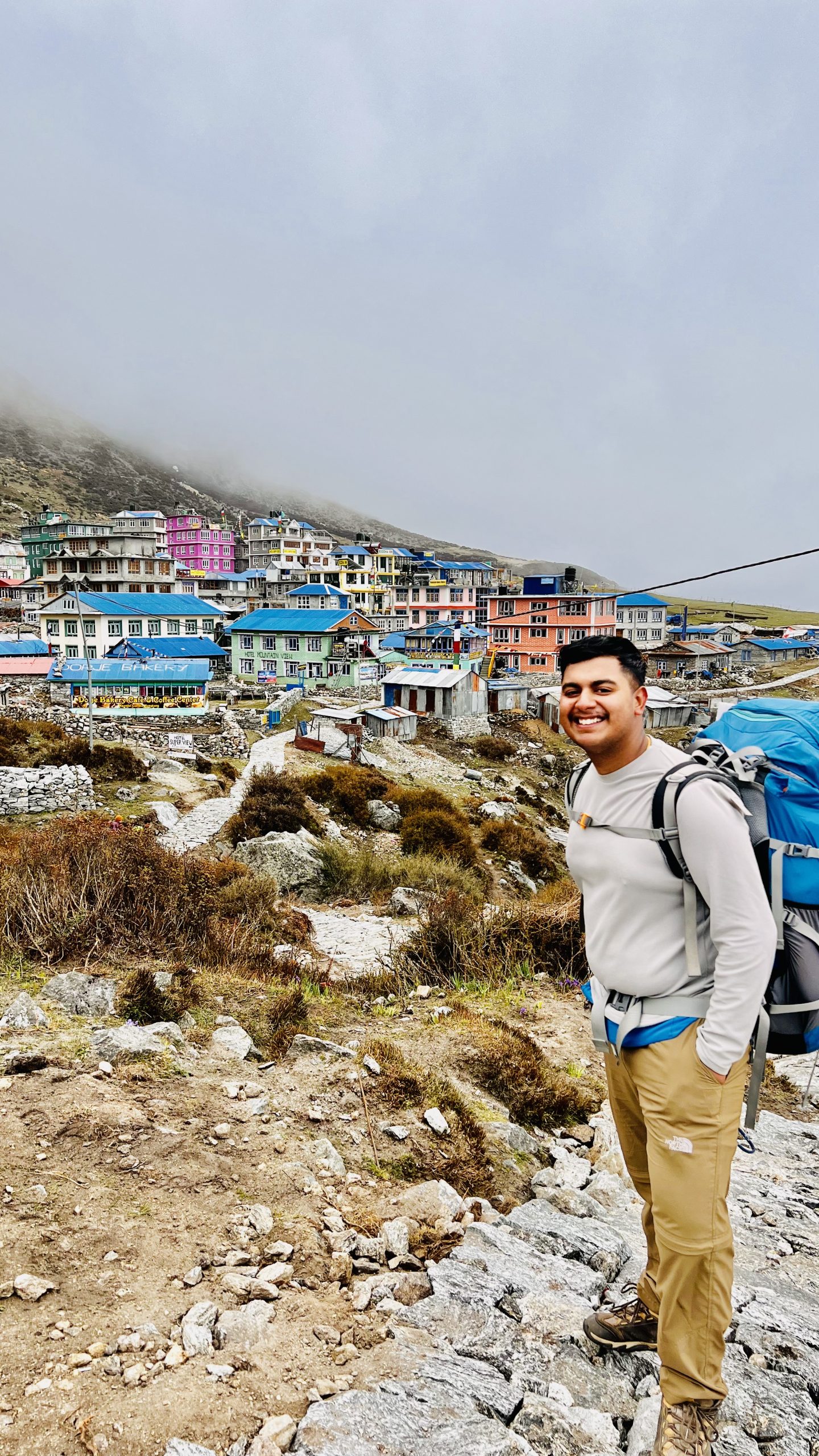
Highlights of Langtang Valley Trekking: What Awaits You on the Trail
Langtang Valley Trekking is rich in natural beauty, cultural immersion, and soul-refreshing simplicity. Here are the highlights that make it an exceptional journey:
Stunning Mountain Scenery
From the very first day of your trek, you’ll be greeted with snow-covered giants that feel close enough to touch. The views of Langtang Lirung, Ganesh Himal, and even Manaslu in the distance are utterly breathtaking.
Diverse Ecosystems
Walk through forests filled with rhododendron, oak, and bamboo. Spot red pandas (if you’re lucky), langurs, Himalayan tahr, and an abundance of birdlife as you ascend higher into alpine zones.
Tamang and Tibetan Culture
The villages of Langtang, Thulo Syabru, and Kyanjin Gompa offer deep cultural encounters with Tamang people, whose lives and traditions echo their Tibetan heritage. Explore Buddhist monasteries, mani walls, and prayer wheels set against Himalayan backdrops.
Spiritual Peace at Kyanjin Gompa
At 3,870m, Kyanjin Gompa is a peaceful Buddhist monastery and the spiritual heart of the trek. You can hike up to Tserko Ri (4,984m) for panoramic views of the Langtang Himalayas. Support Sustainable Tourism
Langtang was deeply affected by the 2015 earthquake. By trekking here, you directly support the rebuilding of communities and sustainable eco-tourism in one of Nepal’s most resilient regions.
Planning the right season is key to getting the most out of your Langtang Valley Trekking experience. Here’s a quick breakdown of the best times to go:
Spring (March to May) – Best for Blooms and Clear Views
This is one of the best seasons for Langtang Valley Trekking. The weather is warm, skies are generally clear, and the forests are ablaze with blooming rhododendrons and wildflowers. Expect crisp mountain views and ideal trekking conditions.
Autumn (September to November) – Best for Visibility
Post-monsoon skies are crystal clear, offering unbeatable views of the Himalayas. The trails are dry, the weather is stable, and the golden light makes for amazing photography. It’s also the busiest trekking season in Nepal.
Winter (December to February) – For Solitude Seekers
Langtang Valley Trekking in winter offers tranquility and snow-covered landscapes, but temperatures drop significantly. Some high trails may be icy or snow-blocked, and teahouses may operate with limited services.
Monsoon (June to August) – Not Recommended
Heavy rainfall can lead to landslides and poor trail conditions. However, the valley is lush and green, and if you’re well-prepared, you can still trek with proper caution.
Absolutely! Langtang Valley Trekking is considered one of the most beginner-friendly treks in Nepal’s Himalayas, especially for those who want to experience high-altitude trekking without extreme difficulty.
Why it’s beginner-friendly:
Trekking Requirements:
While no technical climbing is involved, you should have a basic level of fitness. Regular walking or light cardio exercises for a few weeks before the trek will help immensely. Guided treks are recommended for first-timers to manage logistics, language barriers, and altitude awareness.
Langtang vs Everest vs Annapurna: Which Trek is Right for You?
Nepal is a trekking paradise, and choosing between Langtang, Everest, and Annapurna can be overwhelming. Here’s how Langtang Valley Trekking stands out:
| Feature | Langtang Valley Trekking | Everest Base Camp Trek | Annapurna Base Camp Trek |
| Duration | 7–10 days | 12–14 days | 8–10 days |
| Accessibility | Road (Syabrubesi) | Flight (Lukla) | Road (Pokhara) |
| Altitude | 3,870m (Kyanjin) | 5,364m (EBC) | 4,130m (ABC) |
| Crowds | Low to Moderate | High | Moderate |
| Cultural Experience | Tamang/Tibetan | Sherpa | Gurung/Magars |
| Terrain | Forests, valleys, glaciers | Rocky trails, high passes | Rice terraces, forests |
If you’re seeking a peaceful trek with rich culture and outstanding views, without the high-altitude risks or long flights, Langtang Valley Trekking is the perfect choice.
Wildlife and Nature in Langtang National Park
One of the most compelling reasons to choose Langtang Valley Trekking is the biodiversity of Langtang National Park, Nepal’s first Himalayan national park, established in 1976.
Wildlife You Might Encounter:
Red Panda (rare and elusive)
Himalayan Tahr
Musk Deer
Snow Leopard (extremely rare sightings)
Langur Monkeys
Danphe (Impeyan Pheasant) – Nepal’s national bird
Flora and Forests:
As you climb, the landscape transforms from subtropical forests to alpine scrub. Rhododendrons bloom in spring, while moss-covered oak and pine trees fill the lower trails with a mystical atmosphere.
Natural Wonders:
Langtang Glacier and Langshisha Kharka offer surreal landscapes.
The Langtang Khola river winds through every village, its glacial waters bringing life to the valley.
Tserko Ri and Kyanjin Ri give unbeatable Himalayan sunrise and sunset views.
The Culture of Langtang: Tamang Heritage and Tibetan Influence
One of the most enriching aspects of Langtang Valley Trekking is the deep cultural immersion it offers. The people of Langtang are primarily Tamang, an ethnic group with strong ancestral and spiritual ties to Tibetan Buddhism.
Spiritual Traditions
The region is dotted with mani walls, chortens, prayer flags, and Buddhist monasteries, most notably Kyanjin Gompa. You’ll often hear the soft hum of monks chanting and see villagers spinning prayer wheels as they pass by sacred sites.
Village Life
Langtang villages—like Lama Hotel, Langtang Village, and Kyanjin—are made of stone houses with wooden roofs, surrounded by yak pastures and fields of barley and buckwheat. The pace of life is slow, centered around farming, herding, and monastery activities.
Yak Cheese & Handicrafts
Langtang is known for its yak cheese, which you can taste at the cheese factory in Kyanjin. You’ll also find handmade woolen goods, thanka paintings, and prayer beads offered by locals. Buying directly supports community rebuilding after the 2015 earthquake.
Tip: Don’t be shy about engaging with locals. A smile, a “Tashi Delek” (greeting), or a shared cup of tea can lead to heartfelt stories and unforgettable moments.
How to Get to Langtang: Starting Your Trek from Kathmandu
Reaching the Langtang Valley is part of the adventure. Unlike the Everest region, there’s no need for flights—you’ll travel overland from Kathmandu to the trailhead.
Step 1: Drive from Kathmandu to Syabrubesi (1,550m)
Distance: ~122 km
Duration: 7–8 hours by jeep or local bus
Road: Scenic but bumpy mountain roads with views of Trishuli River, terraced hills, and local villages.
Private jeeps are more comfortable and faster, while public buses are budget-friendly but basic. Most treks begin from Syabrubesi, a small trading town and trailhead.
Bonus: Stop at Dhunche for permits or enjoy a short acclimatization stay if time permits.
Route Access Tips:
Roads may be closed during heavy monsoon rains or landslides, so check conditions beforehand.
Travel early in the morning to avoid traffic and ensure a smoother journey.
Permits and Costs: What You Need for Langtang Valley Trekking
To ensure a legal and responsible trekking experience, you’ll need to arrange the following permits before starting your Langtang Valley Trekking journey.
Required Permits:
TIMS Card (Trekkers’ Information Management System)
Cost: NPR 2,000 (approx. USD 15–17)
Langtang National Park Entry Permi
Cost: NPR 3,000 (approx. USD 22–25)
You can obtain these permits in Kathmandu through:
Nepal Tourism Board Office
Registered trekking agencies (who can also arrange your transport and guide)
What to Pack for Langtang Valley Trekking: Essentials Only
Packing light—but right—is key to enjoying the Langtang Valley Trekking experience without strain. Here’s a checklist of essentials to carry:
Clothing:
Footwear:
Gear:
Miscellaneous:
Tips for a Safe and Successful Langtang Valley Trekking Experience
Trekking in the Himalayas is a life-changing experience—but safety and preparation are key to making the most of your Langtang Valley Trekking journey. These practical tips will help you stay healthy, confident, and fully immersed in the adventure.
Even though Langtang is a moderate trek, it still involves walking 5–7 hours daily on uneven terrain. Prepare your body by:
Walking or hiking regularly at home.
Doing light cardio (cycling, jogging, stair climbing).
Strength training for knees and legs.
Altitude sickness can affect anyone, regardless of fitness. To avoid AMS:
Walk slowly, especially as you gain elevation.
Drink 3–4 liters of water daily.
Avoid alcohol and smoking.
Take acclimatization breaks, especially at Kyanjin Gompa.
While Langtang Valley Trekking can be done independently, a licensed local guide adds:
Safety in case of emergencies.
Language assistance and local insight.
Cultural connection and deeper experience.
Langtang National Park is a fragile ecosystem. Help preserve it:
Carry reusable bottles and avoid plastic.
Pack out all your trash, even tissues.
Stick to marked trails to prevent erosion.
Make sure your insurance covers high-altitude trekking (up to 4,000–5,000 meters) and helicopter evacuation, just in case.
Why Langtang Should Be Your Next Trek
If you’re dreaming of a Himalayan adventure that’s raw, intimate, and rich with nature and culture, Langtang Valley Trekking is the trail that calls to your soul.
Unlike the crowded Everest or Annapurna trails, Langtang offers quiet paths, friendly faces, and surreal landscapes without the hassle of flights or extreme elevation. Here, you’ll walk through enchanted forests, share tea with yak herders, and wake up to glaciers and holy mountains—all within a week’s journey from Kathmandu.
Why Choose Langtang?
Authentic: Deep cultural immersion with Tamang and Tibetan traditions.
Accessible: No flight needed—just a scenic drive from Kathmandu.
Scenic: Waterfalls, glaciers, pine forests, and panoramic mountain views.
Peaceful: Less crowded and more personal than Everest or Annapurna.
Impactful: Your trek helps rebuild and support local communities.