Loading ...
Unveil the Secrets of the Sacred Hidden Valley – Experience Tsum Valley Trekking Like Never Before
Tucked away in the remote northern region of Nepal lies a mystical world untouched by time—Tsum Valley Trekking isn’t just a trek, it’s a journey into spiritual bliss, ancient Tibetan culture, and raw Himalayan beauty.
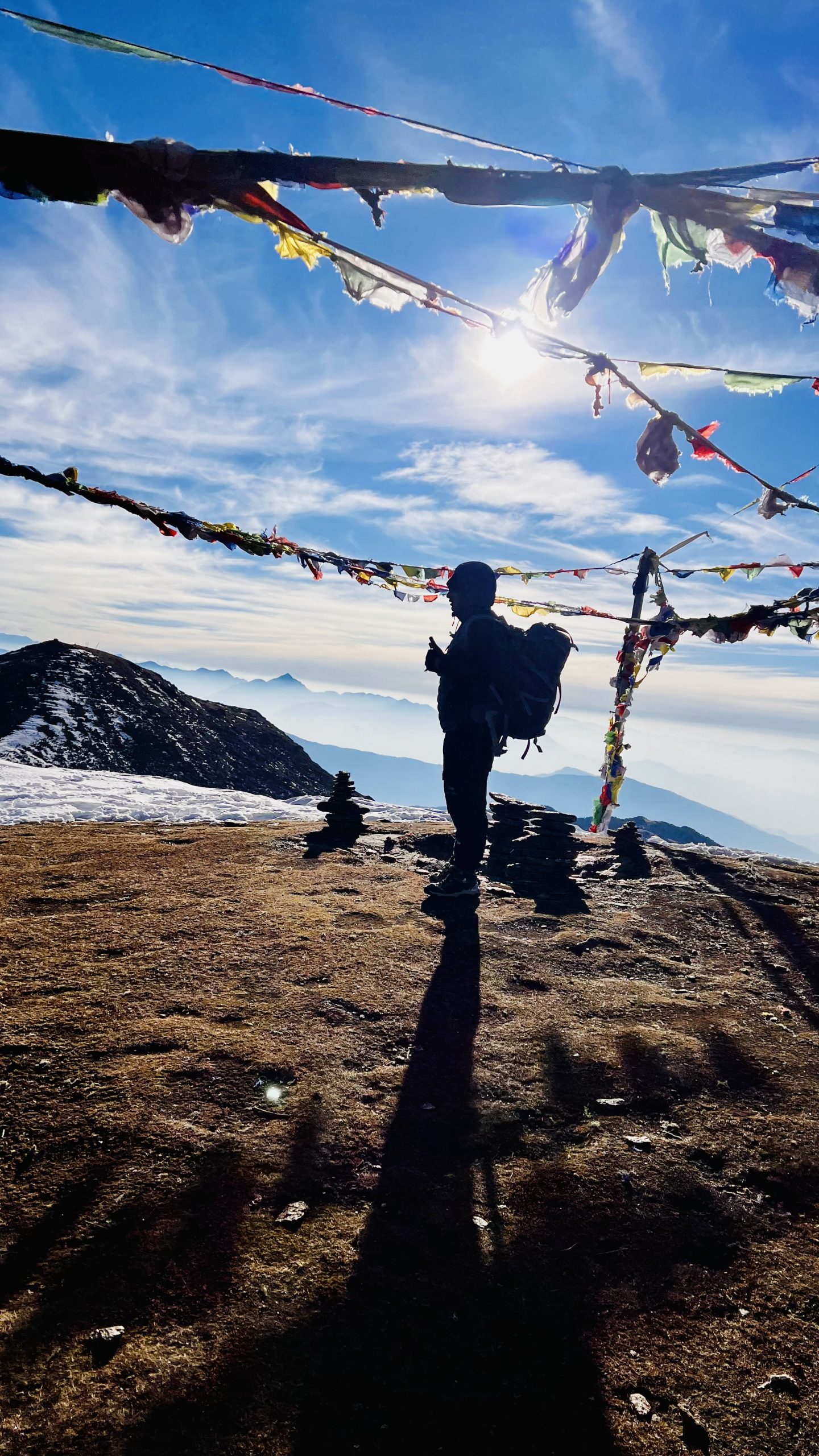
Imagine walking through silent trails surrounded by snow-covered peaks, where every prayer flag tells a story and every smile from a local monk feels like a blessing. If you’re looking for a Tsum Valley Trekking that blends solitude, culture, and adventure, the Tsum Valley awaits you.
This isn’t just another trail on the map—it’s an emotional awakening. As one of the most secluded and sacred Himalayan valleys, Tsum remained closed to outsiders until 2008. Today, it offers a rare glimpse into a preserved Buddhist culture, carved monasteries, ancient caves, and traditional villages that whisper legends from centuries ago.
Tsum Valley Trekking is for those who want to discover the heart of the Himalayas beyond the crowds. Ready to walk into a land where nature meets nirvana?
Located in the northern part of the Gorkha district, Tsum Valley Trekking is a breathtaking experience that takes you through one of Nepal’s most culturally rich and geographically isolated regions. The word “Tsum” comes from the Tibetan word “Tsombo,” meaning vivid, and the valley truly lives up to its name with its vivid culture, landscapes, and traditions.
Unlike more commercial trekking routes, Tsum Valley trekking retains its authenticity. The trek is nestled between the majestic Ganesh Himal and Sringi Himal ranges and stretches to the border of Tibet. The trail winds through deep gorges, dense forests, peaceful alpine meadows, and ancient villages untouched by modern influence.
One of the highlights of Tsum Valley Trekking is its strong Buddhist culture. The valley is dotted with centuries-old monasteries, mani walls, chortens, and prayer wheels that echo the spiritual heritage of Tibetan Buddhism. You’ll visit the sacred Mu Gompa and Rachen Gompa—monasteries that hold deep spiritual significance and offer a glimpse into monastic life.
Tsum Valley Trekking usually begins from Arughat or Machha Khola and continues through picturesque settlements like Lokpa, Chumling, Chhokang Paro, Nile, and Mu Gompa. Each village holds its unique charm and showcases the deeply rooted culture of the Tsumbas, an indigenous community with Tibetan ancestry. The hospitality here is heartwarming, and the chance to stay in traditional stone houses offers an authentic cultural experience during the Tsum Valley Trekking .
Tsum Valley Trekking also brings you close to mystical sites like Milarepa’s Cave, where the famous Buddhist saint meditated. The valley is believed to be a Beyul—one of the hidden valleys blessed by Guru Rinpoche as a sacred refuge for spiritual practice. This adds a spiritual dimension to the trek that is rare and deeply moving.
Despite its remoteness, Tsum Valley Trekking is moderately challenging. Most of the trail lies at an altitude between 2,000 and 3,700 meters, with Mu Gompa situated at 3,700 meters being the highest point. The gradual gain in elevation makes it a suitable option for trekkers who want to enjoy the Himalayas without pushing extreme altitude limits.
Flora and fauna are just as vibrant. You’ll pass through rhododendron forests, pine woods, and rivers teeming with Himalayan trout. Wildlife such as blue sheep, Himalayan tahr, and even snow leopards roam this region, making it an ecological paradise for nature lovers.
What truly sets Tsum Valley Trekking apart is its raw authenticity. It’s not commercialized, meaning the trails are peaceful, the interactions are genuine, and the memories are everlasting. For those seeking a deeper connection with nature, spirituality, and culture, this trek offers everything and more.
Tsum Valley Trekking is ideal for those looking for a less crowded, culturally immersive Himalayan experience. If you’re someone who values quiet trails, traditional lifestyles, and spiritual enrichment over commercial trekking buzz, then Tsum Valley is calling you.
This Tsum Valley Trekking suits moderate-level trekkers with a good fitness level. While the altitude is manageable compared to other high Himalayan treks, the route can be long and remote. Expect to walk 5–7 hours a day on rugged terrain, crossing suspension bridges, stone steps, and forested paths.
It’s perfect for anyone who has already done easier treks like Ghorepani or Langtang and is ready for something more offbeat. Solo travelers, spiritual seekers, and adventurers looking for something unique will find deep satisfaction here. Unlike popular treks like Everest Base Camp or Annapurna Circuit, Tsum Valley is serene, meditative, and refreshingly untouched.
If you are a nature lover, a photographer, or simply someone yearning to disconnect from the chaos of modern life, then Tsum Valley Trekking will offer the detox you need. However, this trek may not suit those looking for luxury lodges, frequent Wi-Fi, or nightlife—this is where silence speaks, and simplicity heals.
So, if you’re prepared to travel back in time, walk through sacred land, and experience the Himalayan wilderness in its purest form, this trek is for you.
Choosing the right partner for your adventure makes all the difference—and at Hiking Himalayas Trek and Expedition, we bring decades of experience, local expertise, and a deep respect for the places we trek. When it comes to Tsum Valley Trekking, we ensure your journey is safe, well-organized, and culturally respectful.
Our team includes licensed guides who are fluent in English and have in-depth knowledge of the region’s culture, geography, and spiritual history. We work closely with local communities to offer authentic homestay experiences and to ensure your visit contributes positively to the local economy.
Our itineraries are flexible and well-paced, allowing you to acclimatize and absorb the surrounding beauty without rushing. From pre-departure support to on-trail guidance, our services are personal, reliable, and professional. Whether it’s navigating challenging terrain or interpreting a conversation with a village monk, our team is there every step of the way.
We also prioritize sustainable tourism. Our treks are organized in ways that minimize environmental impact and maximize cultural preservation. We believe in leaving only footprints and taking only memories.
With Hiking Himalayas Trek and Expedition, Tsum Valley Trekking becomes more than a trek—it becomes a story worth telling for a lifetime.
Answer the Call of the Mountains – Book Your Tsum Valley Trekking Adventure Today
The Himalayas are waiting. So is the hidden sanctuary of the Tsum Valley.
Don’t just go where everyone goes—go where the soul leads. Discover ancient monasteries, untouched culture, and majestic mountain views that stir something deep within. Tsum Valley Trekking offers all this and more. It’s not just a route on a map—it’s a doorway to personal transformation.
So pack your backpack, lace up your boots, and take the first step towards something truly magical. Let Hiking Himalayas Trek and Expedition guide you on this extraordinary path to the sacred hidden valley.
Book your Tsum Valley Trekking adventure today—because some journeys can’t wait.
It’s a scenic and thrill-filled experience while on the flight to Kathmandu.
Following your arrival at Tribhuvan International Airport, You’ll be welcomed to Nepal by a representative of Hiking Himalayas at TIA’s arrival terminal. We’ll transfer you to the hotel in a private car.
Overnight Stay in Kathmandu.
After breakfast, we’ll depart from Kathmandu and head toward Machha Khola(930m), approximately 9 hours by tourist bus. Although the road is bumpy in some parts, you’ll absolutely love the scenery seen from the tourist bus.
We’ll drive upstream the Budi Gandaki through the rice paddies and farm fields and pass through the small hamlet of Kokethar until we reach the village of SotiKhola(730m) after 6-7 hours of driving. We keep driving again through the rice fields and pass through the forested area. As we drive through Lapubesi(840m), Nyauli Jharna the valley begins to widen and we can see Sringi Himal(7087m) also known as Chamar far beyond the valley. After 8-9 hours of driving, we’ll finally reach Machha Khola.
Overnight Stay in Machha Khola.
Today, after breakfast, we’ll trek along the river to Khorla Besi – A Gurung village surrounded by Mt.Manaslu, Shingri Himal, and Kutang Himal. And after passing Khorla Besi, we’ll make our way to the Hot springs of Tatopani(930m). The trail climbs up over another ridge and then crosses the Budi Gandaki on a suspension bridge. Now on the eastern side of the river, the trail climbs on a wide well crafted staircase, then across a landslide area over a ridge to Dovan(1000m), a village that has few small shops.
Overnight Stay in Dovan.
After breakfast, we hit the trail and cross the Dovan Khola using the suspension bridge and keep on repeating ascents and descents. We keep on moving with a leveled path, and come to Yaru Khola(1330m), we cross the 93 m long suspension bridge over Yaru Khola and soon reach Tharo Bhanjyag. We’ll cross the Budi Gandaki again, climb a ridge, trek along the river and come to the close-housed village of Jagat(1410m). From Jagat, we’ll ascend along the rocky ridge to Salleri(1440m). With a good view of Shringi Himal(7083m), we’ll continue walking on the side of the cliff. Now, descending through the path with several mani walls indicates we’re entering the Tibetan influence area. We’ll trek through Ghatta Khola and cross a suspension bridge before making our way to Philim(1590m).
Overnight Stay in Philim.
We’ll leave behind the large village of Philim and hit the trail which turns north just above the lowest house in the village and stays fairly level as it traverses millet fields to Ekle Bhatti(1600m). We’ll keep on trekking through the forest until we reach the new bridge. From here, we’ll stick to the right side and ascend through pine forests and grasslands, reaching Lokpa(2240m). From Lokpa, we’ll continue ascending and descending along with the trail and finally reach Chumling(2363m)- The Lower Tsum.
Overnight Stay in Chumling.
After Breakfast, we’ll start our trekking by crossing a suspension bridge and through other villages and their farmlands. We’ll trek past the village of Renjam, cross the suspension bridge over Sarpu Khola, and ascend towards Gho village. After 4-5 hours of trekking, we’ll finally arrive at our resting spot for the day, Chhokangparo(3010m) – the largest village in Tsum Valley.
Overnight Stay in Chhokangparo.
With the morning sunrise, we’ll start our day with breakfast overlooking Himalchuli(7893m) and Ganesh Himal(7140m). After crossing small villages and a primary school we’ll reach Lamagaun, from here, on the right-hand side, you’ll see and visit Milarepa Piren Phu Cave – a sacred cave where Saint Milarepa is believed to have meditated. We’ll get back to the trail again by crossing Shiar Khola and trek towards Nile(3361m). You’ll get to see lots of waterfalls, and views of mountains and interact with friendly locals on your way to Nile.
Overnight Stay in Nile.
With the rising sun, we’ll have breakfast, and start trekking toward Mu Gompa. We’ll follow the Shiar Khola, and ascend towards Mu Gompa which will only take about 3-4 hours. We’ll visit Dhepu Doma Gompa(4060m)after lunch. Dhepu Doma Gompa is a 600-year-old gompa that is also the highest-altitude gompa in the region.
Overnight Stay in Mu Gompa.
Today, we’ll spend the rest of our day in exploring Mu Gompa. This area is home to blue sheep, pika, yaks, etc. You can hike to Chhyosing Glacier, which is quite an adventure. This area is home to some colorful high-altitude flowers.
Overnight Stay in Mu Gompa.
After breakfast, we’ll hit the trail, cross the Phuchun Khola, and trek through Chhule, Pangdun village. We’ll arrive in Rachen Gompa(3240m) after around 3-4 hours of trekking. Mostly, today’s trek is going to be downhill and will be easy for most of the parts. The Rachen Gompa is the largest monastery in the valley. We’ll visit the gompa after some rest.
Overnight Stay in Rachen Gompa.
After breakfast, we’ll head towards Dumje following the same trail. We’ll trek through Lamagaun, Chhekam parka, and cross the bridge over ShiarKhola, finally reaching Dumje(2440m). We’ll reach the village of Dumje in about 4-5 hours.
Overnight Stay in Dumje.
From Dumje, we’ll head towards Philim. The trail ascends through some gorges and passes over multiple bridges, making our way to the beautiful village of Ripchet(2470m). We’ll now descend to Ghumlung(2130m) and ascend through pine and rhododendron forests, reaching Lokpa(2240m). We’ll pass the Samba falls and reach the village of Philim(1570m).
Overnight Stay in Philim.
We’ll hit the trail after breakfast, crossing the villages of Salleri, Jagat, and Dovan following the same trail, and making our way to Tatopani. We’ll get rid of the exhaustion by dipping ourselves in the hot springs of Tatopani(975m).
Overnight Stay in Tatopani.
Today will be the last trek of our trip. We’ll cross various villages, terraced agricultural fields, and waterfalls on our way to the Gurung village of Machha Khola.
Overnight Stay in Machha Khola.
Leaving footprints in the trails and preserving the memories of the Tsum Valley Trek, we’ll drive towards Kathmandu. You’ll enjoy the curvy roads of Nepal’s hills and its greenery along the way. We’ll drop you off at the hotel and the day is over. You could do some last-minute shopping and packing, send a few postcards home, or even go down for a stroll to Thamel, an internationally known hub for tourists in Asia.
Overnight stay at Kathmandu.
After breakfast, we’ll visit Swayambhunath Stupa, said to be 2000 years stupa on a hillock that offers a breathtaking view of Kathmandu City. We will then proceed to visit Pashupatinath and Bouddhanath. After lunch, we’ll visit Kathmandu Durbar Square, Patan (Lalitpur) – which is the oldest of the three major cities in Kathmandu Valley – famous for its Buddhist monuments and Hindu temples, and you can catch the traditional artisans working with wood, stones, and metals.
After we finish Sightseeing, You’ll be gifted with an evening farewell dinner in a traditional way and many other surprises, for they’ve had a quality time with you.
Overnight Stay in Kathmandu.
Our Nepalese support team will take you to the airport for your flight home. (Or stay longer for short tours such as drive at National parks, do some wild-water rafting, a Tibet tour, or even mountain biking, etc – please don’t hesitate to let us know). We would be glad to help you. Thank you for doing this venture with us & it’s been wonderful knowing you over the weeks. Please do stay in touch in the months ahead. Bon Voyage & take care!!!
Or,
Extend Your Stay in NEPAL
Not satisfied with this regular itinerary? Make your own.


The following is a list of clothing and accessories that we recommend for Tsum Valley Trekking. This is not intended to be a comprehensive clothing and equipment list; rather it is intended to act as a reminder of those items that we feel necessary for your comfort and convenience. However, we recognize that you may have your own personal preferences for clothing which may be equally as suitable.
Head
Sun hat or scarf
Light or warm fleece hat.
Sunglasses
Upper Body
T-shirts (4)
Light and expedition weight thermal tops
Fleece jacket or sweater
Fleece Wind-Stopper jacket (optional)
Waterproof (preferably breathable fabric) shell jacket
Down vest and/or jacket (optional)
Hands
Lightweight gloves
Heavyweight gloves or mittens with a waterproof shell outer
Lower Body
Underwear (4)
Hiking shorts (4)
Lightweight cotton long pants
Light weight thermal bottoms
Fleece or wool pants
Waterproof (preferably breathable fabric) shell pants
Feet
Thin, lightweight inner socks (4)
Thick, warm wool hiking socks (4)
Hiking boots with spare laces
Camp shoes (sneakers and/or sandals)
Accessories
Sleeping bag rated -10C. to -20C
Headlamp and batteries
Basic First Aid Kit (see Health and Medicinal)
Water bottles
Toiletries
Small wash towel
Optional Items
Swiss Knife
Playing cards/backgammon/chess set
Books (Highly Recommended)
Binoculars
With more than 20+ years of experience in the tourism industry, our agency is registered under the Ministry of Tourism. It is also a license holder of NMA, NTB, and NRB. We also provide you with local guides, who are used to the surroundings, so you won't face any difficulties in the trek.
The Tsum Valley Trek is considered to be moderately challenging. You need to have a good physique to complete this trek without any difficulties.
Yes, you'll need a local guide to trek this trail and at least two members must be in your group.
Based on your satisfaction and the guides' behavior you can tip the guides. We suggest you tip up to 15% of the total trip cost to the guides.
As the Tsum Valley lies in Manaslu Conservation Area, you'll need Manaslu Conservation Area Permit to complete this trek.
The best seasons for trekking this trail are Autumn(September, October, and November) and Spring(March, April, and May). The days are sunny and warm during these seasons and the sky will be clear with some amazing views.
This, Tsum Valley Trek is an Off-beaten trail with unique culture, Buddhist monasteries, and sacred caves.
The wi-fi services in this area may not be trustworthy. So, we suggest you to get a sim card and use it for internet connectivity,