
Loading ...
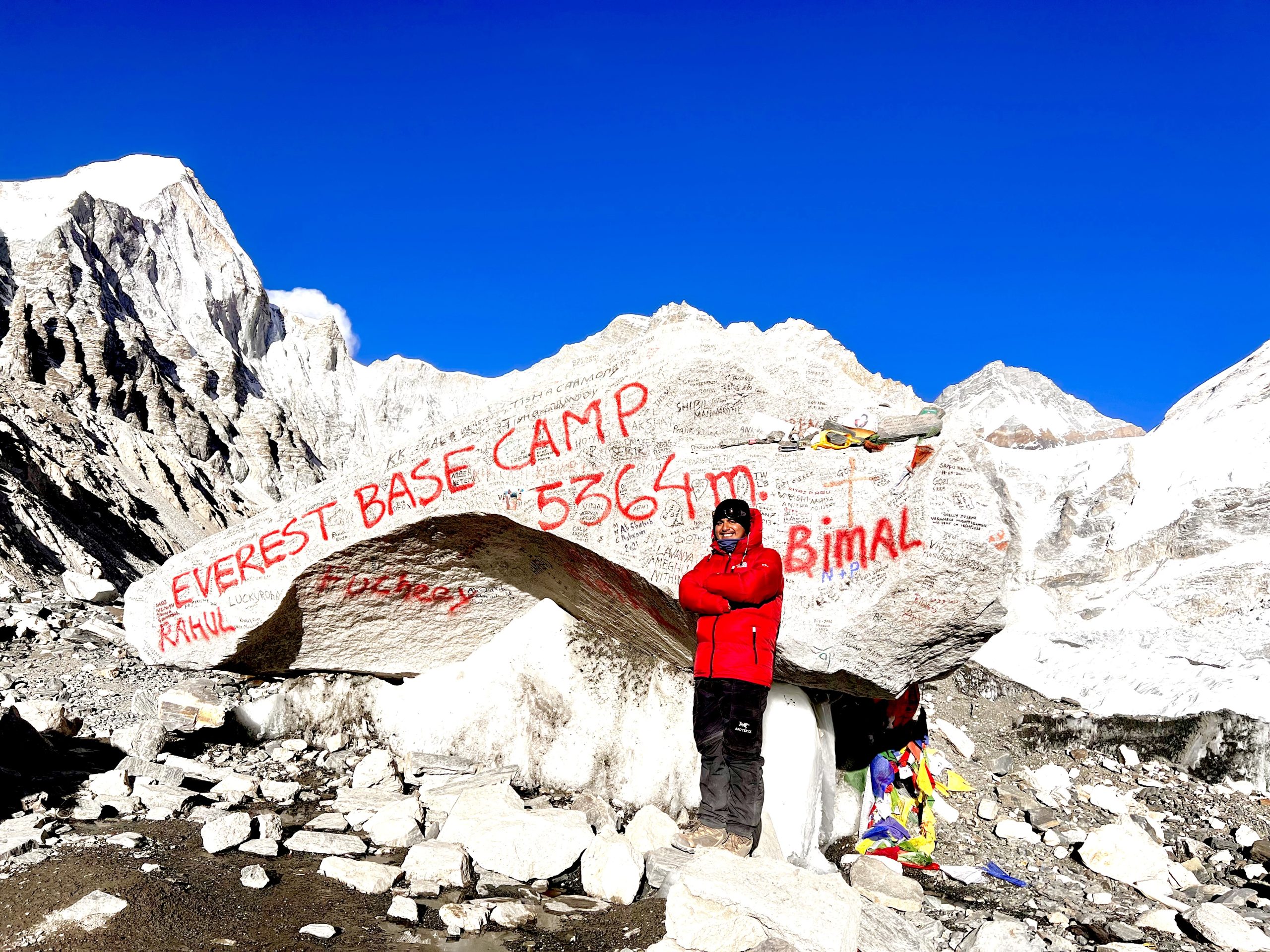
Ready to conquer the world’s highest peak without climbing it? The Everest Base Camp Complete Guide unveils everything you need to know before embarking on this legendary adventure. From breathtaking Himalayan vistas to rich Sherpa culture, this trek promises an unforgettable journey—but is it truly worth the effort, time, and cost? Whether you’re a seasoned trekker or a curious explorer, discover the essential facts, insider tips, and honest insights that will help you decide if the Everest Base Camp trek is the right challenge for you.
Why the Everest Base Camp Trek is on Everyone’s Bucket List
The Everest Base Camp Trek is not just a journey—it’s a personal victory. For many adventure seekers, standing at the foot of the world’s highest peak is the pinnacle of achievement. The towering presence of Mount Everest, the centuries-old Sherpa culture, and the surreal Himalayan landscape make this experience more than just a trek—it’s a life-changing odyssey.
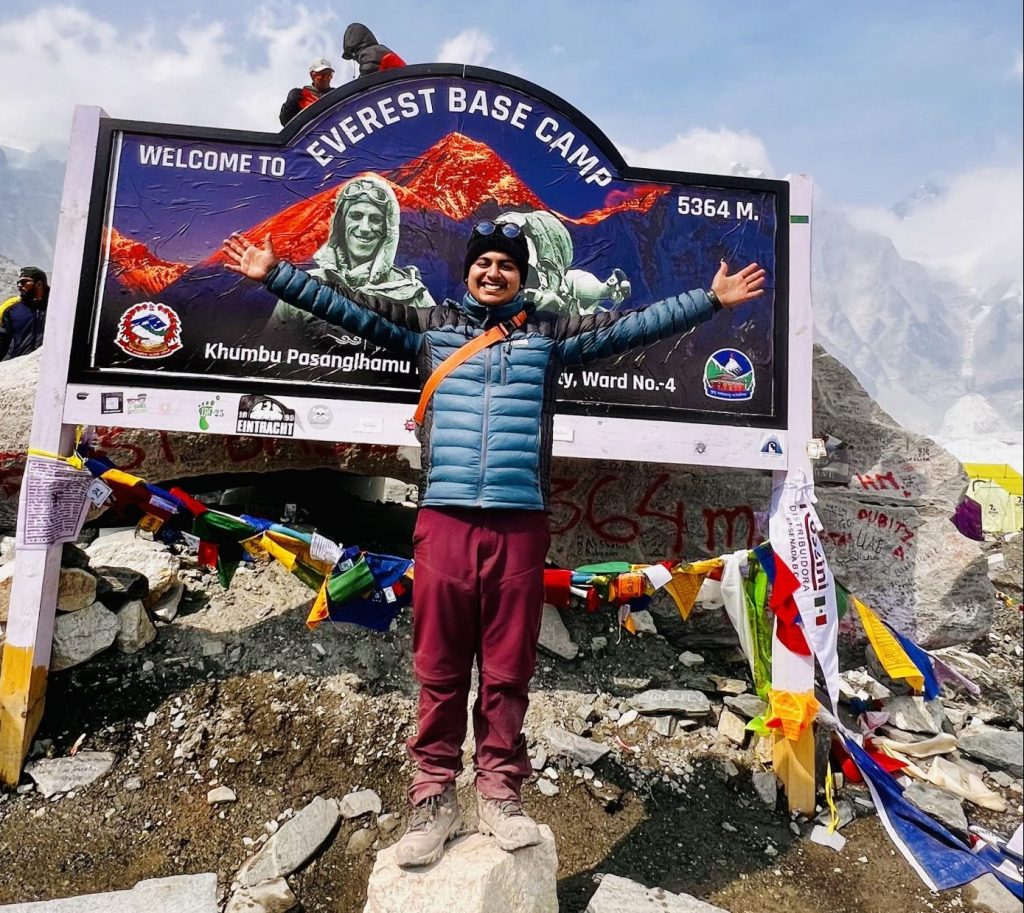
This blog is your Everest Base Camp complete guide, giving you a real-world overview of what to expect, how to prepare, and whether this trek is the right adventure for you. Whether you’re planning your first high-altitude journey or you’re curious about whether the hype is real, this Everest Base Camp complete guide will answer every question you might have.
From stunning glacier valleys and suspension bridges to ancient monasteries and cozy tea houses, the Everest Base Camp Complete Guide provides the insight you need to fully understand the terrain, traditions, and challenges of this iconic Himalayan journey. This isn’t just another bucket-list item—it’s the gateway to discovering the world’s rooftop and your inner resilience.
What is the Everest Base Camp Trek?
The Everest Base Camp Trek is a 12 to 16-day hiking journey through the heart of the Khumbu region in Nepal, reaching an altitude of 5,364 meters (17,598 feet). Unlike climbing Everest, itself, the trek leads you to the base where climbers begin their summit journey. But don’t let the word “base” fool you—the adventure is rich, raw, and unforgettable.
This Everest Base Camp complete guide begins with a short but thrilling flight from Kathmandu to Lukla, one of the world’s most exciting mountain airports. From there, trekkers pass through vibrant Sherpa villages like Namche Bazaar, Tengboche, Dingboche, and Lobuche, experiencing Buddhist culture, prayer flags, yaks, and ancient traditions firsthand.
As the Everest Base Camp complete guide unfolds, you’ll discover that the trek is not only about Everest. You’ll walk through Sagarmatha National Park, a UNESCO World Heritage site filled with pine forests, suspension bridges, mountain goats, and waterfalls. The backdrop constantly changes—from deep river valleys to panoramic views of snow-capped giants like Ama Dablam, Lhotse, Nuptse, and, of course, Everest.
This trek is also a cultural pilgrimage. The Everest Base Camp complete guide explores how you’ll engage with the local Sherpa communities—guardians of Everest—whose warmth, stories, and mountain spirit enrich the entire journey. You’ll visit historic sites like the Tengboche Monastery, the spiritual heart of the Khumbu region, adding layers of meaning to your trek.
Every great journey has defining moments, and this Everest Base Camp complete guide uncovers the unforgettable highlights that make the EBC trek stand out among the world’s greatest hiking adventures.
🌄 Unmatched Himalayan Views
The most obvious attraction is the panoramic mountain scenery. Peaks like Everest (8,848.86m), Lhotse, Nuptse, and Ama Dablam constantly accompany you throughout the trail. According to this Everest Base Camp complete guide, Kala Patthar (5,545m) offers the best sunrise view of Mount Everest you’ll ever witness.
🧘♂️ Sherpa Culture and Spiritual Sites
This Everest Base Camp complete guide emphasizes how deeply the local Sherpa culture enhances your journey. You’ll visit colorful monasteries like Tengboche, spin prayer wheels, and walk under strings of fluttering prayer flags. It’s not just a trek; it’s a spiritual and cultural exchange.
🌲 Sagarmatha National Park
A major highlight of this Everest Base Camp complete guide is trekking through the UNESCO-listed Sagarmatha National Park. With alpine forests, rhododendron groves, and glacial rivers, it’s an ecologist’s dream. You may also spot Himalayan wildlife like musk deer, Himalayan tahr, and snowcocks along the trail.
🌉 Suspension Bridges & River Valleys
Crossing swaying suspension bridges over the Dudh Koshi River and walking through deep valleys carved by ancient glaciers adds thrill to the experience. The Everest Base Camp complete guide assures that every step is filled with breathtaking beauty and raw emotion.
Let’s map it out. This section of the Everest Base Camp complete guide gives you a detailed overview of the trail.
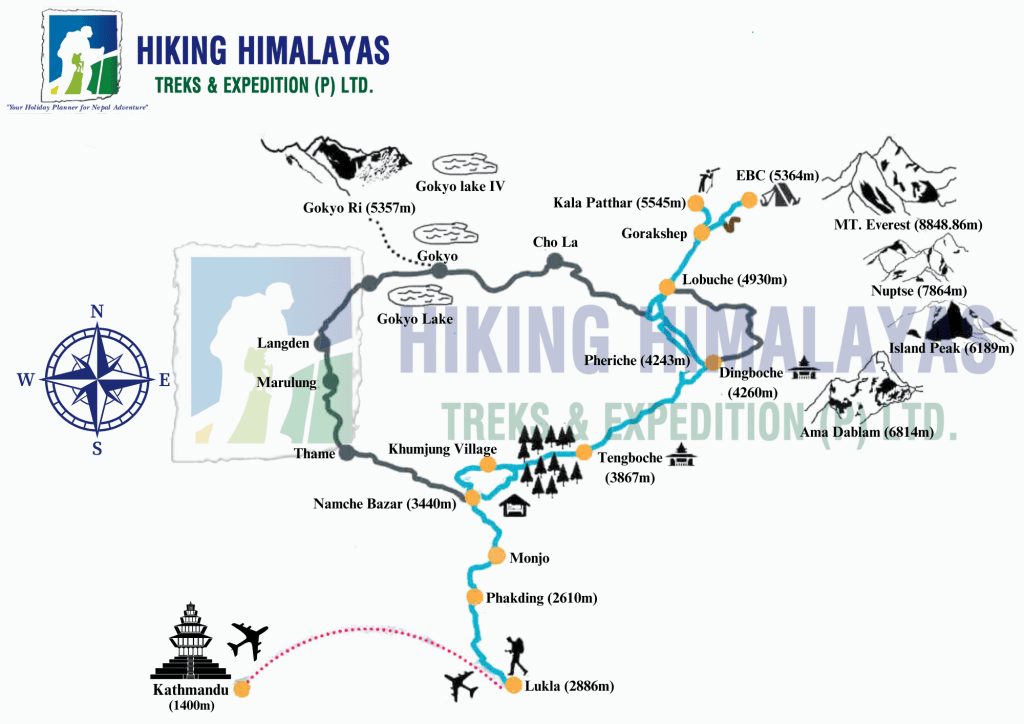
The trek typically starts with a 35-minute flight from Kathmandu to Lukla (2,860m), considered one of the most scenic and adrenaline-filled flights in the world. From Lukla, you begin your trek through pine forests and charming Sherpa villages.
🗺️ Typical Itinerary:
Day 1-2: Lukla to Phakding, then to Namche Bazaar (3,440m) – the vibrant trade hub of the Khumbu.
Day 3: Acclimatization in Namche – a key part of this Everest Base Camp complete guide.
Day 4-5: Trek to Tengboche (3,860m) and Dingboche (4,410m).
Day 6: Acclimatization in Dingboche – short hikes to Nangkartsang Hill or Chhukung Valley.
Day 7-8: Move through Lobuche (4,910m) to Gorak Shep and reach Everest Base Camp (5,364m).
Day 9: Early hike to Kala Patthar for sunrise views of Everest.
Days 10-12: Retrace your steps back to Lukla.
This Everest Base Camp complete guide also includes optional side trails to places like Gokyo Lakes or Chukhung Ri for more adventure.
Along the way, you’ll stay in tea houses—basic but comfortable lodges offering local meals and warm beds. The Everest Base Camp complete guide recommends booking in advance during peak seasons (spring and autumn).
One of the most common questions covered in this Everest Base Camp complete guide is about the trek’s difficulty. While you don’t need technical climbing skills, physical endurance and mental determination are essential.
🏔️ Physical Challenge
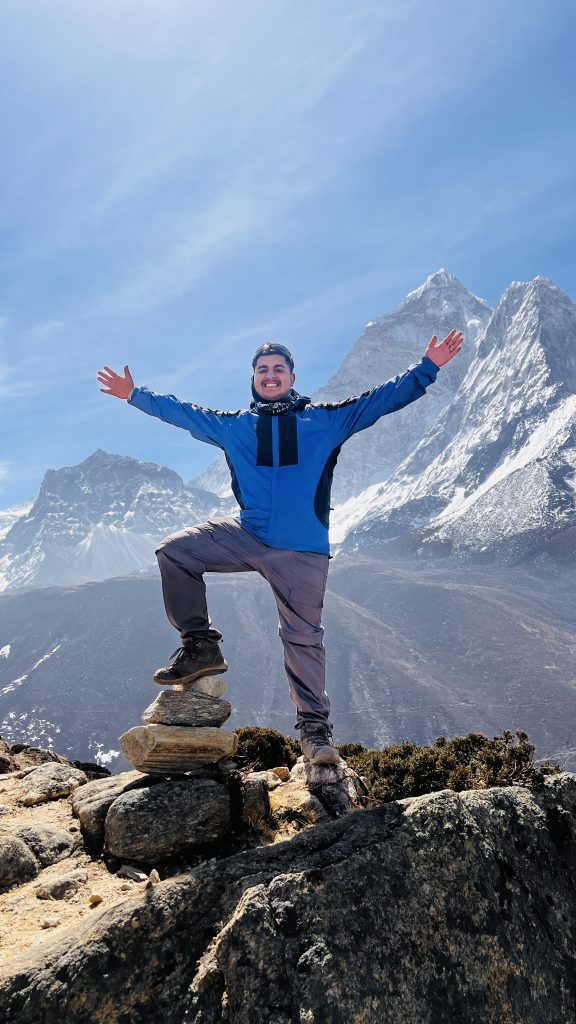
The trek involves daily walking of 5–7 hours for nearly two weeks. The Everest Base Camp complete guide highlights that although the trail itself isn’t steep or dangerous, the continuous elevation gain makes it physically demanding.
⛰️ Altitude Matters
This Everest Base Camp complete guide emphasizes the real challenge—altitude. AMS (Acute Mountain Sickness) can affect anyone above 3,000 meters. That’s why acclimatization days are built into the itinerary, especially in Namche Bazaar and Dingboche.
Proper hydration, gradual ascent, and listening to your body are key tips this Everest Base Camp complete guide provides to manage high-altitude risks.
🧗♀️ Mental Preparation
You’ll be away from modern comforts, facing cold nights and limited phone service. The Everest Base Camp complete guide advises preparing mentally for isolation, changing weather, and physical fatigue.
However, with the right preparation, mindset, and pacing, most reasonably fit trekkers can complete the trek without serious difficulty. This Everest Base Camp complete guide ensures that if you’re committed, you’ll be rewarded with an adventure of a lifetime.
When planning your Himalayan adventure, one of the first questions that arises is: how much does it cost? This section of our Everest base camp complete guide breaks down the actual expenses, so you know exactly what to expect and how to manage your budget effectively.
The Everest Base Camp Trek can be tailored to fit different price ranges—from budget-conscious trekkers to luxury adventurers. On average, the trek costs between $1,200 to USD 2,500 per person, depending on what’s included in your package.
Here’s a breakdown of key costs you’ll encounter:
Permits: Around USD 50 for the Sagarmatha National Park Permit and Khumbu Rural Municipality Entry Fee
Domestic Flights: Round-trip flights from Kathmandu to Lukla typically cost $350–$400
Guides & Porters: $25–$35/day for a licensed guide, and $15–$25/day for a porter
Accommodation: Tea house lodging ranges from $3–$10 per night (basic), and higher for luxury lodges
Meals: $25–$40/day, depending on location and appetite
Miscellaneous: Wi-Fi, charging, hot showers, and snacks can cost $3–$10 per service
In our Everest base camp complete Guide, we also recommend setting aside a small buffer ($100–$150) for unforeseen expenses. Trekking with a registered agency often gives better value, as they bundle permits, guides, insurance, and logistics into a single price.
While it’s not the cheapest trek in the world, the value of witnessing Everest with your own eyes—and the memories you’ll make—are priceless. This Everest base camp complete Guide ensures you prepare your budget smartly without compromising the experience.
In this part of the Everest base camp complete Guide, timing is everything. The trek is possible year-round, but certain seasons offer ideal weather, better visibility, and safer trails. Knowing the best time to go can make a huge difference in your comfort and overall trekking experience.
🏔️ Spring (March–May)
Spring is the most recommended season in this Everest base camp complete Guide. The skies are usually clear, the temperature is moderate, and the trails are dotted with blooming rhododendrons. Mountaineers aiming to summit Everest also gather at Base Camp, adding a sense of energy and excitement to the trek.
Pros: Clear mountain views, warmer temperatures, flowering forests
Cons: Slightly more crowded on popular trails
🍁 Autumn (September–November)
Autumn is another peak trekking season outlined in the Everest base camp complete Guide. Post-monsoon clarity brings spectacular views of Everest, Lhotse, and Ama Dablam. The weather is crisp, dry, and ideal for hiking.
Pros: Perfect trekking conditions, festival season in Nepal (Dashain & Tihar)
Cons: Busy trails and lodges, early bookings needed
❄️ Winter (December–February)
Winter offers solitude, but the conditions are harsh. The Everest base camp complete Guide cautions that extreme cold and snow can make trails icy and some villages may be inaccessible.
Pros: Fewer trekkers, pristine landscapes
Cons: Freezing temperatures, higher risk of trail closures
🌧️ Monsoon (June–August)
We strongly advise avoiding the monsoon season. As mentioned in the Everest base camp complete Guide, frequent rain, muddy trails, and low visibility make this a challenging time to trek.
Pros: Lush scenery, fewer tourists
Cons: Landslides, flight cancellations, leeches in lower altitudes
To summarize, the Everest base camp complete Guide recommends spring and autumn for the best balance of beauty, weather, and safety.
Many trekkers worry about food and accommodation while in the mountains. This Everest base camp complete Guide provides clarity on what you can expect along the trail—especially in remote regions where comfort meets simplicity.
🥘 What You’ll Eat
The meals along the Everest trail are simple but nourishing. Most tea houses have a similar menu that includes:
Dal Bhat (lentils, rice, vegetables): The ultimate Nepali trekking fuel, unlimited refills!
Noodles & Pasta: Fried noodles, spaghetti, and soups are common
Potatoes: Fried, boiled, or curried—served with yak cheese or chili sauce
Porridge & Pancakes: Popular breakfast items with jam or honey
Snacks: Biscuits, chocolates, and energy bars (carry your own for lower prices)
According to our Everest base camp complete Guide, food becomes more expensive as you climb higher due to transportation costs (everything is carried by yaks or porters). Still, you’ll find clean, filling meals even at the highest points of the trek.
Water is available for purchase or purification—bring your own reusable bottle and tablets or a filter, as recommended by the Everest base camp complete Guide.
🛏️ Where You’ll Sleep
The trail is lined with tea houses—basic lodges offering twin rooms, a dining area, and shared bathrooms. Rooms are clean but simple, and blankets are provided. For extra comfort, you can carry a sleeping bag, which the Everest base camp complete Guide highly suggests, especially above 4,000 meters.
Lower altitudes: More amenities like Wi-Fi, charging stations, and private rooms
Higher altitudes: More basic, colder, and less availability—book in advance during peak season
Hot showers and electricity are available for an extra fee in most places. As per this Everest base camp complete Guide, budgeting around $5–$10 per day for these “extras” is wise.
The Everest base camp complete Guide also notes that eco-lodges and luxury stays are becoming more common for trekkers seeking added comfort.
When planning a Himalayan trek, you’ll likely compare the Everest Base Camp (EBC) Trek with other iconic routes like the Annapurna Base Camp, Manaslu Circuit, and Langtang Valley. This section of the Everest base camp complete Guide helps you evaluate EBC against these alternatives to choose the right adventure for you.
✅ Everest Base Camp Trek
✅ Annapurna Base Camp Trek
✅ Manaslu Circuit Trek
✅ Langtang Valley Trek
In this Everest base camp complete Guide, it’s clear that EBC offers a bucket-list experience—the ultimate trek if your goal is to stand in the shadow of the world’s tallest mountain. Compared to other treks, it’s more iconic and demanding but rewards you with unmatched views and cultural immersion.
There are many misconceptions about the Everest Base Camp trek, and this section of the Everest base camp complete Guide aims to clarify fact from fiction so you can make an informed decision.
❌ Myth 1: You need to be a mountaineer
Truth: The Everest Base Camp trek is a non-technical hike. You don’t need ropes or climbing skills—just determination and basic fitness. This Everest base camp complete Guide confirms it’s suitable for fit beginners.
❌ Myth 2: It’s extremely dangerous
Truth: While the altitude can be challenging, guided treks are generally safe. With proper acclimatization and guidance from a certified company, risk is minimized.
❌ Myth 3: You need to carry your own heavy backpack
Truth: Most trekkers hire porters who carry the heavy loads. You’ll only carry a daypack with essentials.
❌ Myth 4: It’s freezing all year round
Truth: Spring and autumn have very manageable temperatures. The Everest base camp complete Guide advises layering instead of heavy clothing year-round.
❌ Myth 5: You can’t get food or proper sleep on the trail
Truth: Tea houses provide hot meals, clean rooms, and even Wi-Fi in many places. While facilities get more basic as altitude increases, they’re far from primitive.
This Everest base camp complete Guide helps clear the fog around these myths, so you can plan your trek confidently and without hesitation.
The Everest Base Camp Trek is for those who dream big, crave adventure, and respect nature. However, it’s not for everyone, and this part of our Everest base camp complete Guide gives honest advice on who should go and who might reconsider.
✅ Who Should Do the Everest Base Camp Trek?
The Everest base camp complete Guide is ideal for travelers aged 16–65 who are physically active and mentally prepared for a high-altitude journey.
❌ Who Should Reconsider?
This Everest base camp complete Guide recommends preparing physically and mentally at least 4–6 weeks before your trek. Practice hikes, cardio, and carrying a light daypack will make the experience smoother.
Ultimately, if you’re someone who thrives in nature, enjoys testing your limits, and longs to be in the Himalayas, the Everest base camp complete Guide says: you’re ready.
In this section of the Everest base camp complete Guide, we offer an honest evaluation of the trek’s advantages and challenges. Understanding both sides helps you prepare realistically and make an informed decision.
Pros:
Cons:
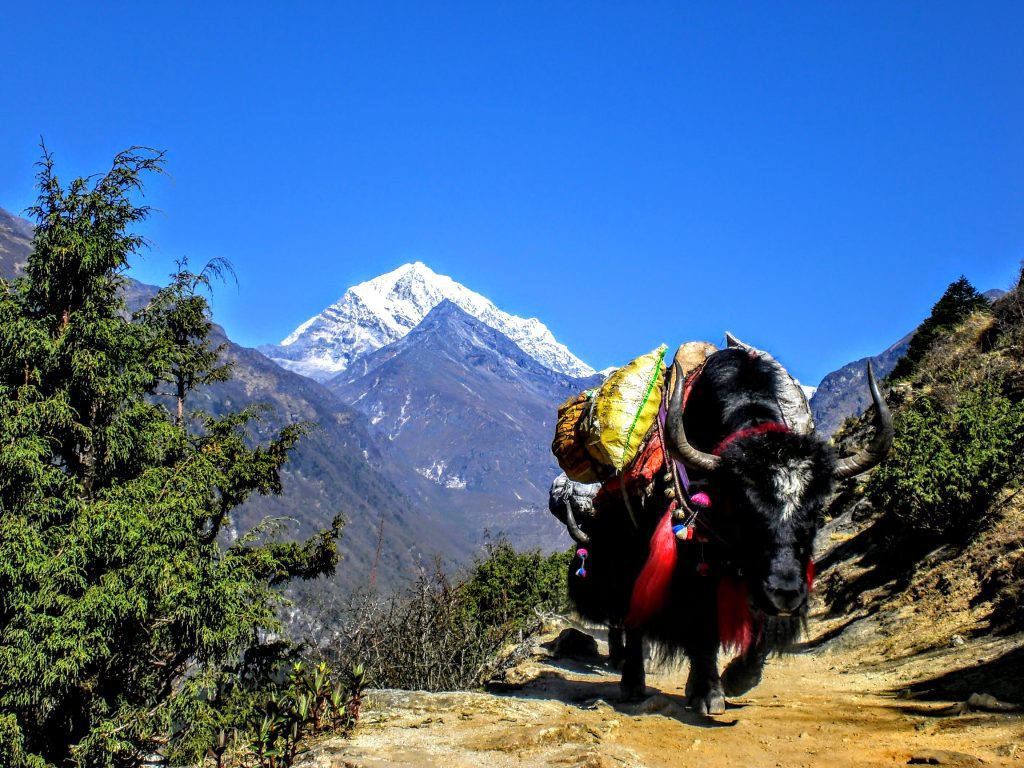
Many ask if the Everest Base Camp trek justifies the time, effort, and money. This Everest base camp complete Guide assures you: yes, it is.
The trek offers a transformational journey that transcends physical adventure. Every step toward Everest Base Camp is a step deeper into nature, culture, and personal discovery. The feeling of standing beneath the towering Everest—feeling the crisp Himalayan air and soaking in views that most people only see on screens—is priceless.
While challenging, the trek’s rewards far outweigh the difficulties. You’ll connect with resilient Sherpa communities, witness ancient Buddhist rituals, and enjoy the camaraderie of fellow trekkers from around the world.
The Everest base camp complete Guide emphasizes that preparation is key. Proper training, acclimatization, and selecting a reliable trekking company enhance the experience and reduce risks. The unforgettable landscapes, the spiritual aura, and the pure sense of achievement make this trek worth every effort.
Booking your Everest Base Camp trek is a critical step in ensuring a safe, enjoyable, and memorable journey. This Everest base camp complete Guide outlines practical tips for choosing the right trekking company.
Booking through a trusted company ensures smooth logistics, quality services, and peace of mind. The Everest base camp complete Guide recommends booking several months in advance, especially during peak seasons (spring and autumn), to secure your spot.
By following these guidelines, your Everest Base Camp trek will be more than a trip—it will be an extraordinary Himalayan adventure you’ll cherish forever.