Loading ...
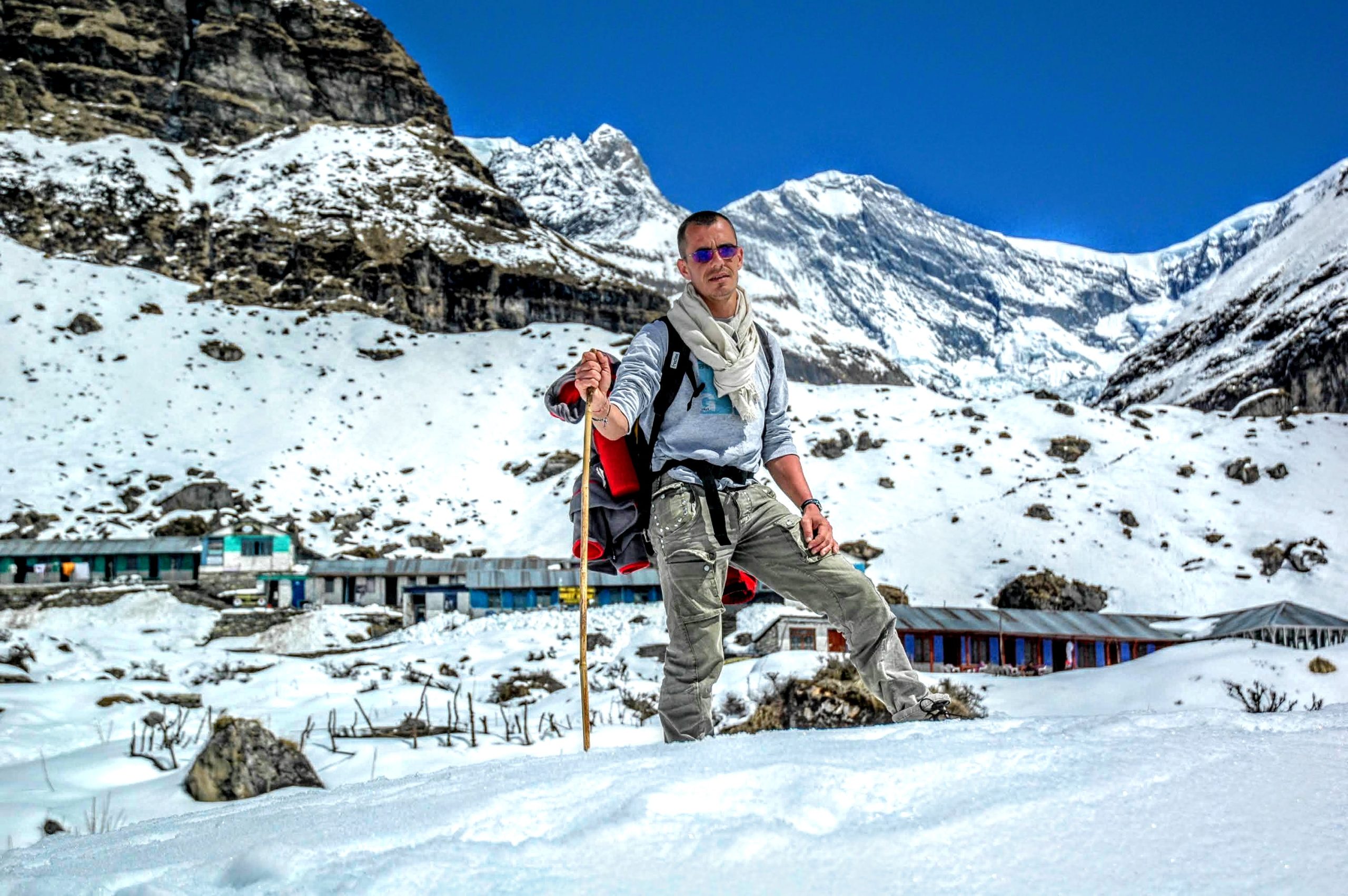


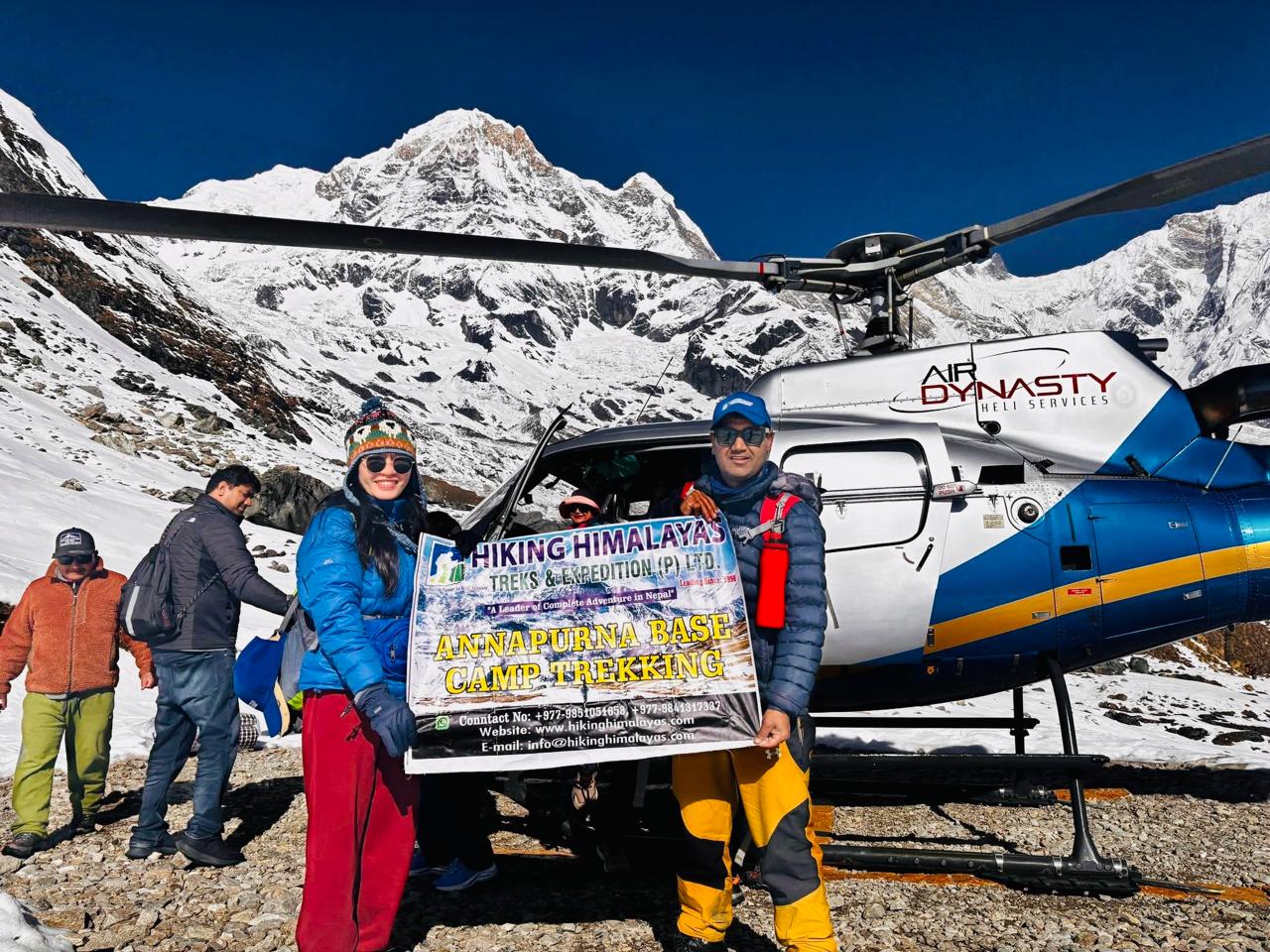
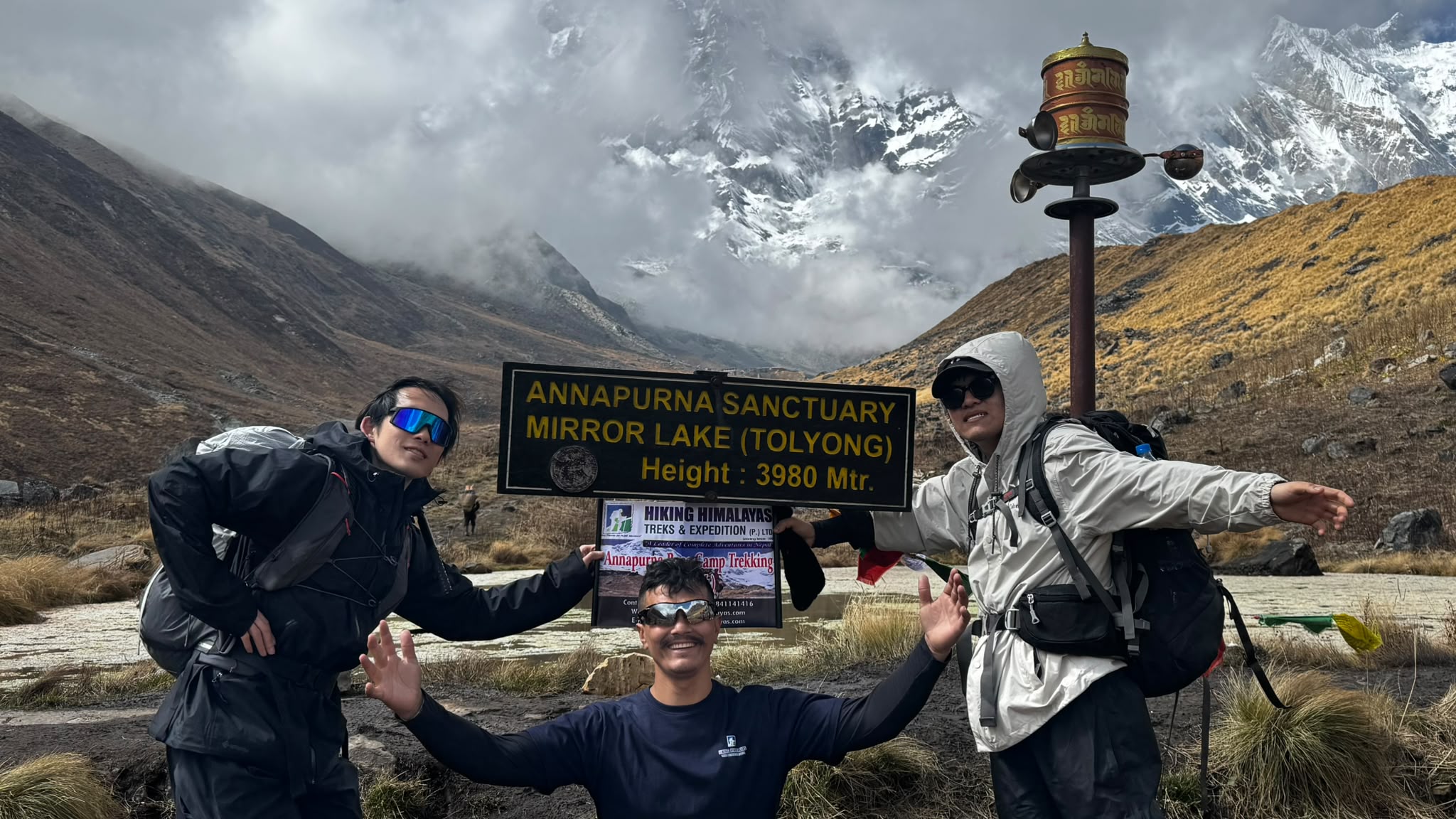
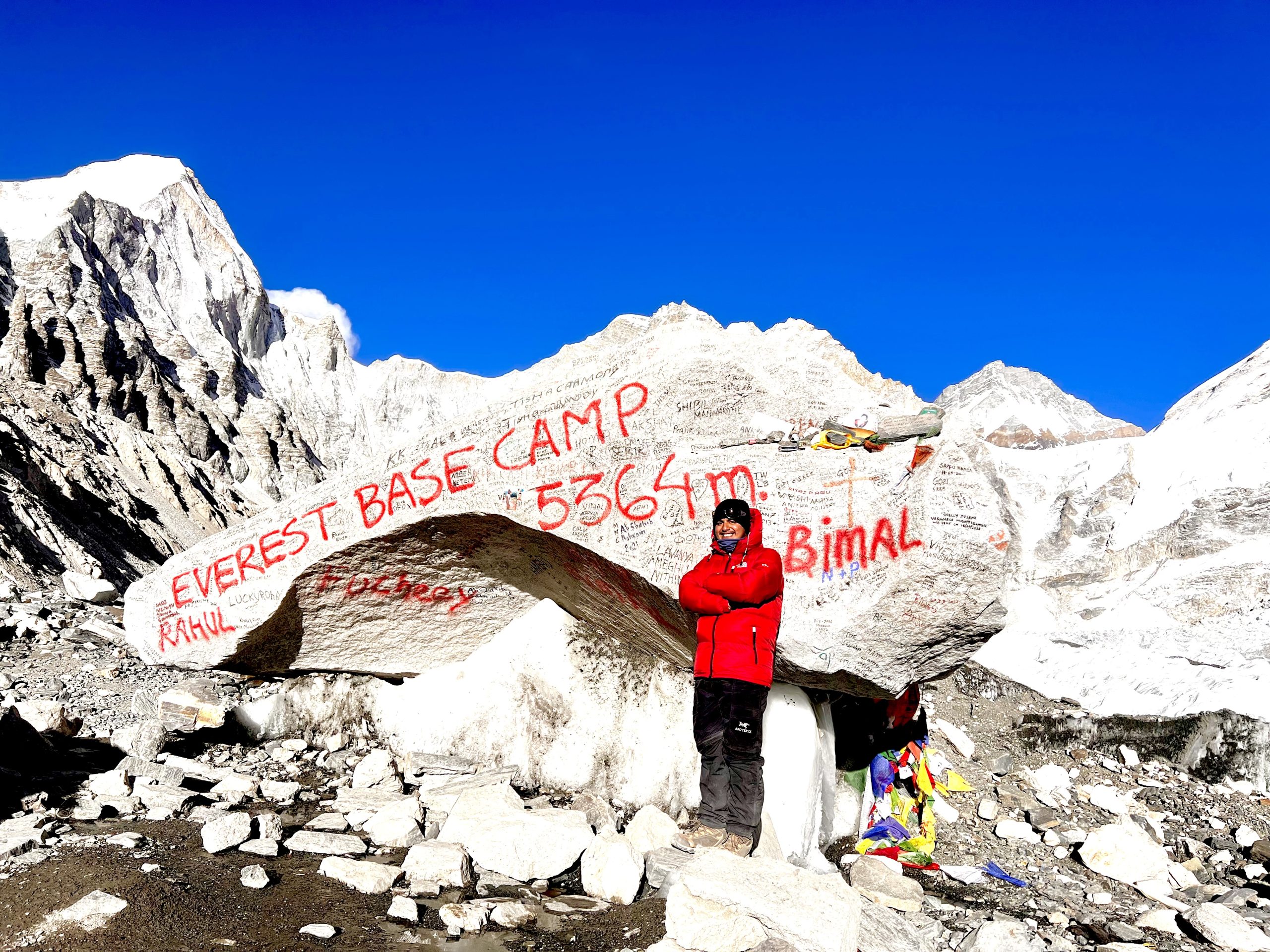
The Annapurna Base Camp Trek is an unforgettable Himalayan adventure in Nepal. Reaching 4,130 meters above sea level, this remarkable journey takes you into the heart of the Annapurna Sanctuary, surrounded by spectacular snow-capped mountains, beautiful forests, traditional villages, and breathtaking Himalayan scenery.
Whether you are a first-time trekker or an experienced hiker, the Annapurna Base Camp Trek offers a wonderful combination of natural beauty, cultural experiences, and personal achievement.
Join Hiking Himalayas Treks & Expedition and discover the beauty of the Annapurna region with our experienced local trekking team.
The Annapurna Base Camp Trek is one of Nepal’s most rewarding trekking adventures. It offers incredible mountain views, welcoming local communities, diverse landscapes, and a memorable journey through the Himalayas.
Here are seven reasons to choose this amazing trek.
One of the biggest highlights of the Annapurna Base Camp Trek is the spectacular mountain scenery. As you approach the Annapurna Sanctuary, towering Himalayan peaks surround you.
Highlights include:
Watching the first sunlight illuminate the snow-covered mountains is an unforgettable experience. At Annapurna Base Camp, you can enjoy magnificent views from the heart of this natural mountain amphitheater.
The Annapurna Base Camp Trek is also an opportunity to experience the traditional lifestyles of Nepal’s mountain communities.
Along the trail, you can visit villages such as Ghandruk and Chhomrong. These settlements are known for their mountain scenery, traditional homes, and warm hospitality.
You can learn about Gurung and Magar culture, enjoy traditional Nepali meals, and discover the customs and daily lives of local communities.
The trail passes through a remarkable variety of landscapes.
At lower elevations, you will encounter terraced fields, green hills, rivers, and traditional villages. Higher up, the route continues through bamboo forests, rhododendron woodlands, rocky mountain trails, and alpine landscapes.
During spring, rhododendron flowers add vibrant colors to the forest. As you climb higher, the scenery gradually changes into a dramatic Himalayan environment.
The Annapurna Base Camp Trek is generally considered a moderate trek. It is suitable for people with reasonable physical fitness who are prepared for several days of walking.
Most trekking days involve approximately 5–7 hours of walking, depending on the itinerary, trail conditions, and individual pace.
Previous trekking experience can be helpful, but technical climbing skills are not normally required. Proper preparation, suitable equipment, and a well-planned itinerary make the journey more comfortable.
Reaching Annapurna Base Camp at 4,130 meters is the highlight of the journey.
The sanctuary is surrounded by dramatic mountain peaks, glaciers, and rugged Himalayan landscapes. Standing in this incredible natural setting gives trekkers a unique opportunity to appreciate the scale and beauty of the Himalayas.
The experience of reaching base camp after days of walking is one that many trekkers remember for a lifetime.
Depending on your itinerary, you may visit the natural hot springs at Jhinu Danda.
After several days of trekking, relaxing in the hot springs can be a welcome way to rest your tired muscles and enjoy the natural surroundings.
The Annapurna Base Camp Trek follows established trekking routes with teahouses and lodges in many villages along the way.
These accommodations provide places to sleep, eat, and rest after a day on the trail. Facilities vary between villages, and services may become more basic at higher elevations.
Staying in local teahouses also allows you to experience mountain hospitality and connect with fellow trekkers.
Yes, the Annapurna Base Camp Trek can be suitable for beginners who have reasonable fitness, prepare properly, and choose an appropriate itinerary.
You do not need mountaineering experience, but you should be comfortable walking for several hours on uneven trails, stone steps, and uphill sections.
Before starting the trek, we recommend:
The trek reaches 4,130 meters, where altitude-related illness can occur. A gradual itinerary and awareness of symptoms are important for your safety.
Our team at Hiking Himalayas Treks & Expedition can help you plan a suitable trekking experience based on your fitness, available time, and travel preferences.
Choosing the right season can make a significant difference to your trekking experience.
Spring is one of the most popular seasons for the Annapurna Base Camp Trek.
The forests become colorful with blooming rhododendrons, and the weather is often favorable for walking. Mountain views can be excellent, although clouds and changing conditions are always possible.
Autumn is another excellent season for trekking in the Annapurna region.
After the monsoon, the landscapes are fresh, and clear days can provide impressive mountain views. This is a popular period, so booking accommodation and arranging your trek in advance can be helpful.
Winter offers quieter trails and beautiful snow-covered landscapes. However, temperatures can be very cold, particularly at higher elevations.
Snow, ice, and weather conditions may affect the route. Appropriate clothing and advice from an experienced local guide are essential.
The monsoon season brings heavy rainfall to much of the Annapurna region.
Trails can become slippery, leeches may be present in forested areas, and landslides can affect road access. Mountain views may also be limited by clouds.
If you plan to trek during this period, check current weather and trail conditions before departure.
The Annapurna Base Camp Trek takes you through the Annapurna Conservation Area in central Nepal.
The journey usually begins with travel from Pokhara to the selected trailhead. Depending on your itinerary and current road access, the starting point may vary.
From there, the route passes through traditional villages and follows valleys and mountain trails toward the Annapurna Sanctuary.
The Annapurna Massif dominates the region, with Annapurna I rising to 8,091 meters.
The trek begins at a much lower elevation and gradually climbs to Annapurna Base Camp at approximately 4,130 meters. This elevation change creates a variety of landscapes and climatic conditions.
The route follows the Modi Khola valley through forests, villages, and increasingly rugged mountain scenery.
Along the way, trekkers encounter suspension bridges, terraced fields, bamboo forests, and rhododendron woodlands.
Higher elevations feature alpine terrain, rocky slopes, and impressive views of surrounding peaks.
The final approach leads into the Annapurna Sanctuary, a high mountain basin surrounded by spectacular Himalayan peaks.
This dramatic landscape is the main attraction of the trek and provides an unforgettable setting for photography and mountain observation.
Some sections of the route can be exposed to avalanches, landslides, or other natural hazards depending on the season. Always follow local advice and your guide’s instructions.
The Annapurna Base Camp Trek combines natural beauty with opportunities to discover local culture.
Ghandruk is a well-known Gurung village offering beautiful mountain views and insight into traditional village life.
Visitors can explore the settlement, observe local architecture, and learn about the cultural heritage of the region.
Chhomrong is an important village along the route to Annapurna Base Camp.
It offers mountain views, teahouse accommodation, and a place to rest before continuing deeper into the valley.
Teahouses serve a range of meals, often including dal bhat, noodles, soups, rice dishes, momos, and other local or international options.
Food availability varies by location and season. Enjoying meals with local hosts is an important part of the trekking experience.
The trail passes through forests and traditional settlements before reaching the higher alpine environment.
Prayer flags, stone walls, village paths, and mountain lodges contribute to the character of the journey.
After visiting Annapurna Base Camp, trekkers retrace the route through the valley toward the trailhead.
Depending on your itinerary, you may have the opportunity to visit Jhinu Danda’s natural hot springs before returning to Pokhara.
The Annapurna Base Camp Trek commonly takes around 7–12 days for the trekking portion, depending on the starting point, walking pace, route, and rest days.
A complete trip that includes travel to and from Kathmandu or additional sightseeing may take longer.
At Hiking Himalayas Treks & Expedition, we can help arrange an itinerary suited to your available time and preferred pace.
Trekkers need the applicable permits for the Annapurna Conservation Area. Requirements and arrangements should be confirmed before departure.
Our team can assist with the necessary permit arrangements and explain the documents required for your trip.
Before trekking, prepare the following:
A guide can also help with route planning, accommodation arrangements, local information, and changing trail conditions.
Teahouses and lodges provide the main accommodation options along the Annapurna Base Camp route.
Most lodges offer basic rooms, often with twin beds. Room standards and bathroom facilities vary by location.
Bringing a sleeping bag can be useful, particularly in colder months.
Teahouses serve meals throughout the trekking route. Food options may become more limited as you gain altitude.
Your trekking plan should account for meal arrangements and any dietary requirements.
Some lodges offer hot showers and charging facilities, sometimes for an additional fee.
Availability may be limited at higher elevations, so a power bank can be useful.
Mobile coverage and Wi-Fi availability vary along the route. Connections may be slow or unavailable in some locations.
Plan for periods without reliable internet access.
Safe drinking water is essential. Trekkers can use suitable water purification methods or purchase boiled or treated water where available.
Toilet facilities range from basic to more comfortable options, depending on the lodge and elevation.
Medical services are limited in remote mountain areas. Carry necessary personal medication and a basic first-aid kit, and make sure your insurance covers the activities you plan to undertake.
If you are considering other trekking adventures in Nepal, the Annapurna region offers several excellent alternatives.
The Annapurna Circuit Trek takes trekkers through a wide range of landscapes, traditional settlements, and high mountain terrain. One of its major highlights is Thorong La Pass at approximately 5,416 meters.
Explore our Mardi Himal Trek for a different Himalayan experience, with spectacular views of Machapuchare and the Annapurna range.
The Ghorepani Poon Hill Trek is a shorter alternative known for its sunrise views of the Annapurna and Dhaulagiri ranges. It is a popular choice for travelers with limited time.
The Khopra Danda Trek offers panoramic mountain views, traditional villages, and a quieter trekking experience on selected routes in the Annapurna region.
Each trek offers its own combination of scenery, culture, walking challenges, and travel time. The best option depends on your interests, fitness, and schedule.
At Hiking Himalayas Treks & Expedition, we aim to make your Annapurna Base Camp Trek safe, enjoyable, and memorable.
Our team provides local knowledge, trekking support, and itinerary planning to help you experience the beauty of Nepal’s Himalayas.
Our trekking team helps you navigate the trail, understand local culture, and make informed decisions as conditions change.
We can help plan your journey according to your available time, fitness level, interests, and preferred pace.
From trip preparation to the return journey, our team can assist with travel arrangements, accommodation planning, permits, and other agreed services.
We encourage respectful interactions with local communities and opportunities to appreciate the traditions and hospitality of the Annapurna region.
We promote responsible trekking practices that respect the natural environment, local communities, and cultural heritage of Nepal.
For traveler feedback, you can also read reviews of Hiking Himalayas Treks & Expedition on Trustpilot.
Annapurna Base Camp is approximately 4,130 meters (13,550 feet) above sea level.
The trekking portion commonly takes around 7–12 days, depending on your itinerary and starting point. Additional travel days may be needed.
A guide can provide local knowledge, logistical support, and assistance with changing conditions. Confirm the current trekking requirements before departure.
Yes. Altitude-related illness can occur at high elevations. Follow a gradual itinerary, stay hydrated, recognize symptoms, and descend promptly if serious symptoms develop.
March, April, and May are popular spring months. September, October, and November are popular autumn months. Conditions vary, so check the forecast before travelling.
Yes. The route is a trekking journey rather than a technical mountaineering expedition. Reasonable fitness, preparation, and awareness of altitude are important.
Teahouses and mountain lodges provide accommodation along much of the route. Facilities vary by village and elevation.
The Annapurna Base Camp Trek is an incredible opportunity to experience Nepal’s Himalayan scenery, welcoming communities, beautiful forests, and spectacular mountain views.
Whether you are planning your first Himalayan adventure or returning to Nepal for another trek, Hiking Himalayas Treks & Expedition can help you prepare a memorable journey.
Contact our team to discuss your preferred dates, itinerary, group size, and trekking arrangements.
Book your Annapurna Base Camp Trek with Hiking Himalayas Treks & Expedition and discover the heart of the Himalayas with our experienced local team.
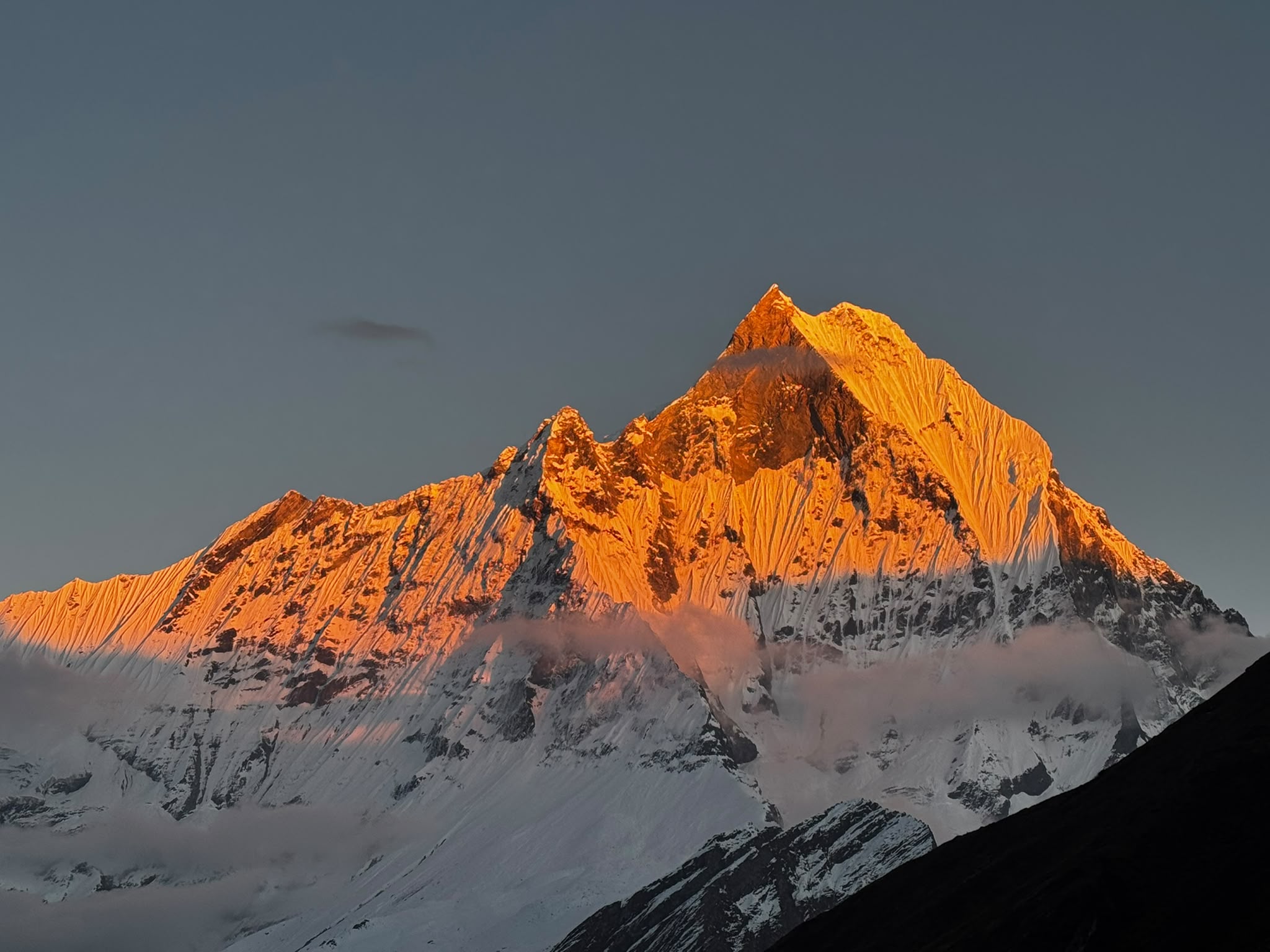
1. Spectacular Mountain Views: The ABC trek offers awe-inspiring vistas of the Annapurna Massif, including the majestic Annapurna I (8,091 meters), Hiunchuli, Machapuchare (Fishtail Mountain), and other towering peaks. Watching the sunrise over these peaks from the base camp is a magical experience.
2. Diverse Landscapes: Trek through a variety of landscapes, from lush terraced fields and subtropical forests to alpine meadows and glacial moraines. The ever-changing scenery keeps the trek exciting and visually captivating.
3. Cultural Encounters: Interact with the warm and hospitable communities of Gurung and Magar villages along the trail. Experience their rich culture, traditions, and way of life. You can also visit ancient monasteries and learn about Buddhism in the region.
4. Local Cuisine: Savor delicious Nepali and Tibetan dishes in the tea houses and lodges along the route. Try dal bhat (rice and lentils), momos (dumplings), and Sherpa stew for a taste of the local cuisine.
5. Natural Hot Springs: Enjoy a relaxing soak in the natural hot springs at Jhinu Danda. These therapeutic springs are a well-deserved treat for trekkers and provide a soothing experience.
6. Annapurna Sanctuary: The trek culminates at the Annapurna Sanctuary, a glacial basin surrounded by towering peaks. This unique geographical feature offers a sense of being enclosed by mountains and is a highlight of the journey.
7. Mani Walls and Prayer Flags: Along the trail, you’ll encounter Mani walls, intricately inscribed with Buddhist prayers, and colorful prayer flags that add to the spiritual ambiance of the trek.
8. Local Villages: Visit charming villages like Ghandruk, Chhomrong, and Bamboo, where you can witness traditional architecture, experience local customs, and engage in cultural exchanges with the friendly locals.
9. Avalanche-Prone Areas: Near the base camp, you’ll trek through areas prone to avalanches, especially during the spring thaw. These natural hazards add an element of adventure to the trek.
10. Tea House Conversations: Engage in conversations with fellow trekkers and locals at the tea houses. Sharing stories, experiences, and laughter with fellow adventurers is an enriching part of the trek.
The Annapurna Base Camp trek is a harmonious blend of natural grandeur and cultural immersion. These highlights make it one of the most sought-after trekking experiences in Nepal, offering a profound connection to the Himalayas and the people who call this region home.
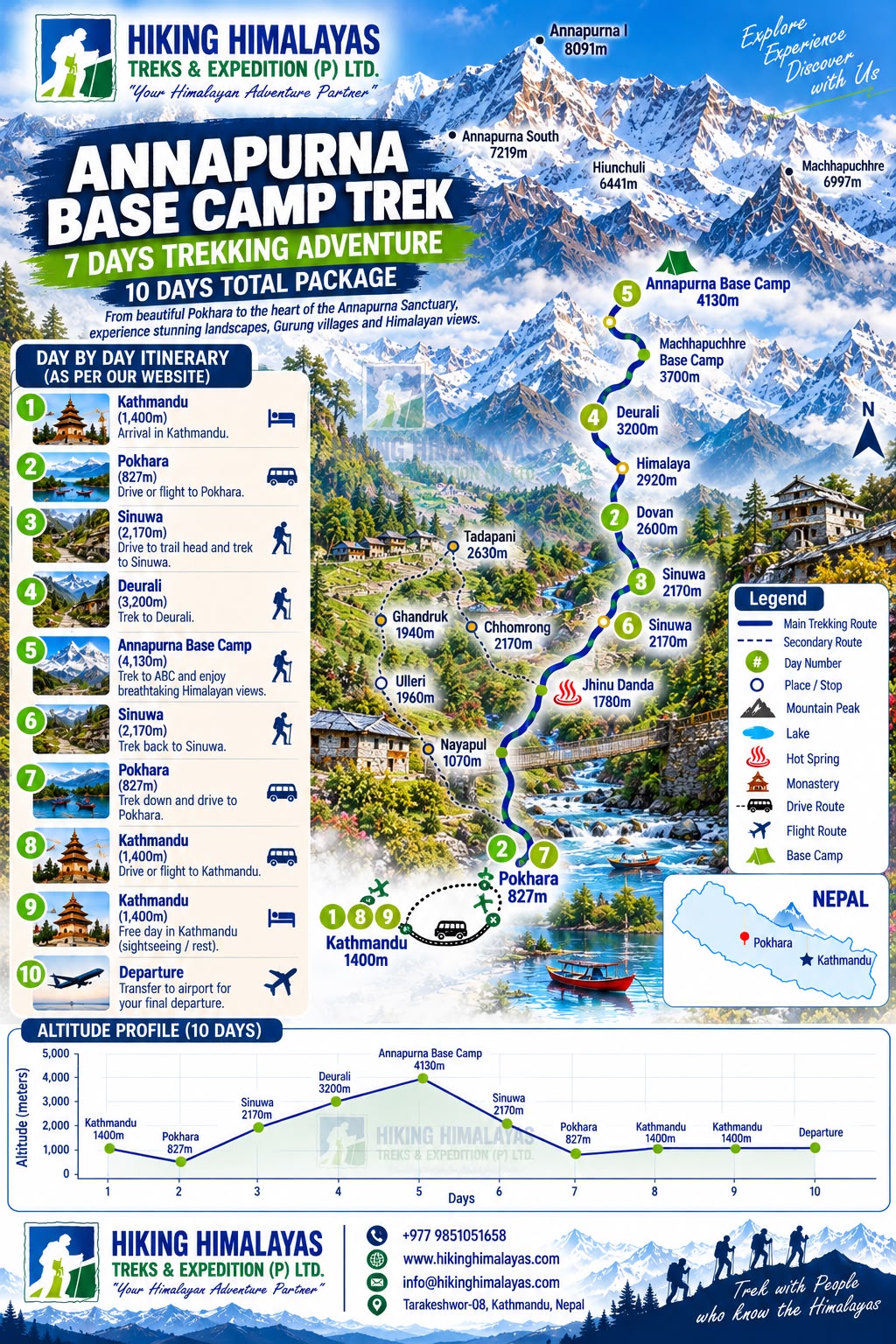
Following your arrival at TIA, You’ll be welcomed to Nepal by a representative of Hiking Himalayas at TIA’s arrival terminal. We’ll transfer you to the hotel in a tourist van [Duration: 30 mins].
Overnight Stay in Kathmandu.
After early morning breakfast, we’ll depart from Kathmandu and head towards Pokhara(200km), around 7:00 AM in the morning, approximately 7 hrs away by tourist bus. We’ll have our lunch on the way to Pokhara. You’ll arrive at Pokhara at approximately 2:00 o’clock. Pokhara lakeside sits, at the “front row center” of one of the most beautiful Himalayan panoramas in the world. The Annapurna and famous “Fishtail” mountain peak of Machapuchhare tower over the tropical setting of Pokhara and the time you spend there will be the scenic highlight of your trip. You’re free in Pokhara Valley also called the “Magic Land” or Dreamland” of Nepal, to explore the various interesting place of your own like boating in Fewa lake while looking at the Annapurna Range of the Himalayas. In the evening you will prepare yourself for your trek to Poon Hill.
Overnight Stay in Pokhara.
After breakfast, we’ll drive to Jhinu which will take about 4 hours. We’ll cross Nayapul(1070m),Birethanti,Syaully Bazar on our way to Jhinu Danda. when we be to Jhinu Danda then start to walk through Beautiful Chh0mrung Village. We will have lunch at Chhomrung after lunch takes 1.30 hour to reach Sinwa. Overnight Stay at beautiful lodge.
After breakfast, we hit the trail and reach Kuldi(2470m). From Kuldi, the trails descend a long steep stone staircase into deep bamboo and rhododendron forests, then a short distance on a muddy trail to Bamboo where we’ll have our Lunch. From Bamboo(2310m) the trail climbs steeply through stands of bamboo, occasionally dropping slightly to cross the tributary streams, it takes approximately 1 and a half hours to trek to Dovan(2600m). We’ll continue to trek until we reach Deurali(3200m).
Overnight Stay in Deurali.
Leaving behind Deurali, we’ll then cross a landslide and another avalanche track, to the Himalaya Hotel(2840m). We’ll have our lunch at Himalaya Hotel. From Himalaya Hotel we’ll head towards the Glacier. Walking in the bed of the Glacier is safe and quite easy. We’ll reach Machapuchare Base Camp(3700m) after another 1 and a half hours of trek.
After leaving MBC behind, you’ll finally reach the destination for which you’ve trekked for this many days. This day will be the Climax of this trip. Beautiful Flowers and the springs surrounded by high-standing mountains will make this day remarkable. We’ll trek for approximately 2 hours to reach Annapurna Base Camp(4130m) from Machapuchare Base Camp.
Overnight Stay in Annapurna Base Camp.
After breakfast, we’ll head towards bamboo(2310m). Today’s walk will be comparatively longer but won’t be as difficult as the previous days as most of the part is downhill. We’ll trek the same trail we trekked to get to the Annapurna Base Camp to reach Bamboo.
Overnight Stay in Bamboo.
After breakfast we heading down to Jhinu via Sinwa and Chhomrung. We will reach to Jhinu order lunch then quick visit to Natural Hot Spring back to Hotel have Lunch then drive back to Pokhara Hotel (822m), have some rest ,take shower then evening walk to lake street then relax and have good dinner.
Leaving footprints in the trails and preserving the memories of the Annapurna Region, we’ll head towards Kathmandu(1400m). You’ll enjoy the curvy roads of Nepal’s hills and its greenery along the way. We’ll drop you off at the hotel have good shower then rest.
Overnight stay in Kathmandu.
Kathmandu is the historical and cultural heart of Nepal and has been a popular destination for tourists ever since Nepal opened its doors to visitors. The city presents a wonderful mix of Hinduism, Tibetan Buddhism, and Western influence in the Valley. Patan and Bhaktapur, their two major neighboring cities bear immense historical, cultural, and religious significance. There will be a half-day guided tour to the famous and biggest Hindu shrine of Pashupatinath, Boudhanath – the largest Buddhist stupa in Nepal, Bhaktapur Durbar Square – the 15th-century palace of 55 windows, and Swoyambhunath. At the event, you will be briefed about your trip.
After we finish Sightseeing, You’ll be gifted with an evening farewell dinner in a traditional way and many other surprises, for they’ve had a quality time with you.
Overnight Stay in Kathmandu.
Our Nepalese support team will take you to the airport for your flight home. (Or stay longer for short tours such as a game drive at National parks, do some wild-water rafting, a Tibet tour or even mountain biking, etc – please don’t hesitate to let us know). We would be glad to help you. Thank you for doing this venture with us & it’s been wonderful knowing you over the weeks. Please do stay in touch in the months ahead. Bon Voyage & take care!!!
Or,
Extend Your Stay in NEPAL
Not satisfied with this regular itinerary? Make your own.
All the trekking itineraries are flexible and can be revised in order to best meet your requirements i.e. your time, interests etc. Hence, please suggest us your preferences so that we can prepare the program accordingly and quote the price for the same. You are kindly requested to always feel free to contact us for any information that you require. Your queries are always welcomed and we will be privileged to furnish you with the required information.



Preparing the right equipment for your Annapurna Base Camp (ABC) trek is crucial for a safe and enjoyable journey through the Himalayas. Here’s a comprehensive equipment checklist to ensure you have everything you need:
Clothing:
1. Lightweight, moisture-wicking base layers (tops and bottoms)
2. Insulating mid-layer (fleece or down jacket)
3. Waterproof and windproof outer shell jacket
4. Waterproof and breathable pants or trekking trousers
5. Thermal or woolen hat (for cold mornings and evenings)
6. Lightweight, breathable sun hat or cap
7. Neck gaiter or buff
8. Gloves or mittens (thin and warm layers)
9. Moisture-wicking and quick-drying underwear and socks (3-4 pairs)
10. Warm, moisture-wicking, and breathable trekking socks (3-4 pairs)
11. Lightweight trekking boots with good ankle support
12. Camp shoes or sandals for evenings in tea houses
Gear:
13. Backpack with a rain cover (30-40 liters)
14. Daypack (for carrying essentials during the day)
15. Sleeping bag (3-season, rated for cold temperatures)
16. Sleeping bag liner (for added warmth and cleanliness)
17. Trekking poles for stability and support
18. Headlamp or flashlight with extra batteries
19. Sunglasses with UV protection
20. Water purification tablets or a water filter
21. Reusable water bottles or a hydration system
22. Duffel bag or waterproof liner (for porters to carry your gear)
Accessories:
23. Sunscreen with high SPF
24. Lip balm with SPF
25. Insect repellent (for lower altitudes)
26. Toiletries (toothbrush, toothpaste, biodegradable soap, etc.)
27. Quick-dry travel towel
28. Toilet paper and a small trowel or shovel (for wilderness areas)
29. Personal medications and a basic first-aid kit
30. Hand sanitizer and wet wipes
31. Trekking map and compass or GPS device
32. Guidebook or reading material (for downtime)
33. Notebook and pen
34. Travel wallet or money belt
35. International plug adapter and charger for electronics
Optional Items:
36. Camera with spare batteries and memory cards
37. Portable solar charger or power bank
38. Binoculars
39. Lightweight down booties (for cold evenings)
40. Trekking umbrella (for rain and sun protection)
Remember that packing light is key, so only bring the essentials. Many trekking gear items can also be rented or purchased in Kathmandu or Pokhara if you prefer not to bring everything from home. Be sure to adjust your packing list based on the specific season and weather conditions during your trek. Additionally, always consult with your trekking agency or guide for any specific gear recommendations they may have.
Annapurna Base Camp Trek is best for adventure lovers. The trail is filled with beautiful landscapes ranging from 1300 meters to 4130 meters. Even if you're a first-timer you can trek this trail but you must be physically fit.
The best season for trekking this trail is in Autumn (September, October, and November), and Spring (March, April, and May). The temperature of this region is neither hot nor cold in these seasons. The average temperature of this trail in these seasons is around 18°C.
Yes, you can trek this trail in winter but it would be a challenge as this trail will be covered with snow. The average temperature of the Annapurna Base Camp in winter is around 10°C and the nights and mornings can reach up to -15°C. So, you're suggested to bring clothes that support extreme cold conditions.
No, you won't have any problems with high altitude sickness as our team is experienced and trained to deal with such situations. Our experienced guides will acclimatize you gradually and move forward.
Trekking this trail won't be difficult for frequent trekkers but will be difficult if the trekker isn't physically fit. If you can walk 5-6 hours easily per day then this trek won't be that difficult for you.
With more than 20+ years of experience in the tourism industry, our organization focuses on customer satisfaction and quality services. Our team comprises experienced and licensed tourist guides and moreover, Our agency is a registered travel agency under the Ministry of Tourism. It is also a license holder of NMA, NTB, NRB.
Yes, you'll need a trekking permit to trek this trail. But all the permits will be arranged by our agency.
Guides from our agency can communicate in English, Nepali, and Hindi. So, as long as you can understand these languages you won't face any language-based problems.
Yes, the guides from our agency are all insured. We make sure that all our team members are insured including team leaders, guides, etc.
Yes, Internet facilities are available on the Annapurna Trail. Some lodges also provide Wi-fi facilities but charge some extra fees to use the Wi-fi.
All Inclusive Price.
Do not hesitage to give us a call. We are an expert team and we are happy to talk to you.