Loading ...

Island Peak Climbing (6,160m) is one of the most popular Himalayan mountaineering adventures in Nepal. Located in the spectacular Imja Valley of the Everest region, Island Peak offers an unforgettable combination of high-altitude trekking, glacier travel, and technical mountaineering.
Originally named Island Peak by Eric Shipton in 1952, the mountain resembles an island rising above a sea of ice when viewed from the surrounding valleys. It was first climbed in 1953 by members of the British Everest expedition during their preparation for Mount Everest.
Island Peak Climbing is an excellent adventure for trekkers who want to experience Himalayan mountaineering. Although classified as a trekking peak, the ascent requires good physical fitness, proper acclimatization, and basic mountaineering skills. Depending on snow and glacier conditions, climbers may need crampons, an ice axe, a climbing harness, and fixed-rope techniques.
From the summit, climbers can enjoy breathtaking panoramic views of Mount Lhotse, Ama Dablam, Makalu, Baruntse, and other magnificent Himalayan peaks.
Island Peak Climbing is a rewarding adventure that combines the beauty of the Everest region with the excitement of Himalayan mountaineering.
Highlights include:
Island Peak is considered a challenging trekking peak because of its high altitude, glacier crossings, steep snow slopes, and exposed summit ridge.
Previous high-altitude trekking experience is highly recommended. Climbers should have good cardiovascular fitness, stamina, and the ability to walk for several hours in challenging mountain conditions.
Basic mountaineering skills, including the use of crampons, ice axes, climbing harnesses, and fixed ropes, are important. Our experienced climbing guides provide guidance and support throughout the expedition.
Proper acclimatization and following your guide’s safety instructions are essential for a successful summit attempt.
The best time for Island Peak Climbing in Nepal is generally during spring and autumn, when weather conditions are often more favorable.
Spring Season (March–May)
Spring offers generally favorable climbing conditions, beautiful mountain scenery, and longer daylight hours. It is one of the most popular seasons for Himalayan climbing.
Autumn Season (September–November)
Autumn is another excellent season, often offering clear skies, good mountain visibility, and favorable trekking conditions.
Weather in the Himalayas can change quickly, so climbing conditions should always be assessed by experienced guides before attempting the summit.
Hiking Himalayas Treks & Expedition (P) Ltd. offers professionally organized Island Peak Climbing packages with experienced local climbing guides and comprehensive expedition support.
Our climbing arrangements can include:
Our team focuses on safety, proper preparation, and personalized service to make your Island Peak adventure memorable.
Proper preparation is essential for a successful Island Peak summit. Climbers should prepare physically before arriving in Nepal and become familiar with basic mountaineering equipment.
Recommended equipment includes:
Your climbing guide will help you understand the necessary equipment and technical preparation before the summit attempt.
At Hiking Himalayas Treks & Expedition (P) Ltd., we are committed to providing memorable Himalayan adventures with professional service and local expertise.
Why travel with us?
Whether you are an experienced trekker or preparing for your first Himalayan climbing adventure, our team can help organize your Island Peak Climbing expedition in Nepal.
Contact Hiking Himalayas Treks & Expedition today to plan your Island Peak adventure!
Website: https://www.hikinghimalayas.com/
Email: info@hikinghimalayas.com
WhatsApp: +977 9851051658
1. How high is Island Peak?
Island Peak stands at an altitude of 6,160 meters (20,210 feet) above sea level.
2. How difficult is Island Peak Climbing?
Island Peak is a challenging trekking peak requiring good physical fitness, acclimatization, and basic mountaineering skills.
3. What is the best season for Island Peak Climbing?
Spring (March–May) and autumn (September–November) are generally the best climbing seasons.
4. Do I need previous climbing experience?
Previous high-altitude trekking experience is recommended. Basic mountaineering training is important before attempting the summit.
5. What permits are required for Island Peak Climbing?
Climbers need the applicable Island Peak climbing permit and other required regional entry permits. Requirements should be confirmed before departure.
6. Can beginners climb Island Peak?
Fit and well-prepared beginners with appropriate mountaineering training and experienced guide support may attempt Island Peak. However, it is not a suitable first mountain adventure without proper preparation.
Discover more exciting trekking and climbing adventures with Hiking Himalayas Treks & Expedition:
For official mountaineering information, visit the Nepal Mountaineering Association.
Important Trip Information
Island Peak Climbing is a challenging Himalayan adventure that requires good physical fitness, proper acclimatization, and basic mountaineering preparation. Our experienced climbing guides will provide technical training and safety instructions before the summit attempt.
The itinerary may be adjusted depending on weather conditions, flight schedules, health conditions, and overall safety. Summit success depends on weather and mountain conditions. Safety always remains our top priority.
Best Seasons: Spring (March–May) and Autumn (September–November).
Maximum Altitude: 6,189 m (Island Peak Summit).
Upon your arrival at Tribhuvan International Airport in Kathmandu, a representative from Hiking Himalayas Treks & Expedition will warmly welcome you at the arrival terminal. You will then be transferred to your hotel by private vehicle.
After check-in, you can relax and recover from your journey. In the evening, our team will provide a short briefing about the Island Peak Climbing expedition and discuss the necessary preparations.
Overnight Stay: Hotel in Kathmandu.
Early in the morning, we will transfer you to the airport for a scenic flight to Lukla, the gateway to the Everest region. Upon arrival at Lukla, we will meet our trekking crew and begin our journey towards Phakding.
The trail gradually descends through beautiful Sherpa villages, pine forests and along the Dudh Koshi River. We will cross several suspension bridges and enjoy the spectacular Himalayan scenery along the way before reaching Phakding.
Trekking Duration: Approximately 3–4 hours.
Overnight Stay: Teahouse in Phakding (2,610 m).
After breakfast, we begin our trek from Phakding towards Namche Bazaar, the main gateway to the Everest region. Following the beautiful Dudh Koshi River, we cross several exciting suspension bridges, including the famous Hillary Suspension Bridge.
Along the way, we pass through charming Sherpa villages, pine forests and Monjo, where we enter Sagarmatha National Park. From here, the trail gradually climbs towards Namche Bazaar, offering spectacular views of the surrounding Himalayan landscapes. Weather permitting, we may catch our first glimpse of Mount Everest.
Namche Bazaar is a vibrant Sherpa town known for its traditional culture, mountain views, local markets and welcoming atmosphere.
Trekking Duration: Approximately 5–6 hours.
Overnight Stay: Teahouse in Namche Bazaar (3,440 m).
Today, we’ll spend the rest of our day exploring nearby places and preparing ourselves for the upcoming days and the changing altitude. Namche is tucked away between two ridges amidst the giant peaks of the Khumbu and has an abundance of lodges, tea shops, and souvenir shops. It is an ideal place to spend a day, acclimatizing to the new altitude before heading off towards Tengboche.
We’ll hike to Hotel Everest View(3962m), from here, you’ll be able to enjoy the views of Mt.Everest, Lhotse, Thamserku, and Ama Dablam. We’ll visit Khunde Hospital(3840m) set up by Sir Edmund Hillary. There are also good views from the National Park Centre and Museum above the town.
Overnight Stay in Namche.
After breakfast, we leave Namche Bazaar and follow a scenic trail overlooking the beautiful Dudh Koshi Valley. Along the way, we enjoy spectacular panoramic views of Mount Everest, Lhotse, Nuptse, Ama Dablam, Thamserku and other magnificent Himalayan peaks.
The trail gradually descends through beautiful forests and traditional Sherpa settlements towards Phunki Tenga (3,250 m), where we stop for lunch and a short rest beside the Dudh Koshi River.
After lunch, we cross a suspension bridge and begin a steady uphill climb through beautiful rhododendron and pine forests to reach Tengboche. Here, we visit the famous Tengboche Monastery, one of the most important Buddhist monasteries in the Khumbu region.
Trekking Duration: Approximately 5–6 hours.
Overnight Stay: Teahouse in Tengboche (3,860 m).
After breakfast, we leave Tengboche and descend through beautiful alpine forests towards Deboche. We continue along the scenic trail, crossing the Imja Khola River and passing traditional Sherpa settlements with magnificent views of Ama Dablam, Lhotse and other Himalayan peaks.
We then reach Pangboche, one of the oldest Sherpa villages in the Khumbu region. After a short rest and lunch, we continue through the beautiful Imja Valley, passing the villages of Somare and Orsho before gradually climbing towards Dingboche.
Dingboche is a beautiful mountain village surrounded by stone-walled fields and spectacular Himalayan scenery. It is an important stop for acclimatization before heading to higher elevations.
Trekking Duration: Approximately 5–6 hours.
Overnight Stay: Teahouse in Dingboche (4,410 m).
After breakfast, we leave Dingboche and begin our gradual ascent towards Chhukung, following the beautiful Imja Valley. The trail passes through alpine landscapes, yak pastures and traditional seasonal settlements surrounded by spectacular Himalayan scenery.
Along the way, we enjoy magnificent views of Island Peak, Lhotse, Nuptse, Ama Dablam and the impressive surrounding mountain peaks. As we gain altitude, the landscape becomes more rugged and offers a true Himalayan wilderness experience.
After approximately 3–4 hours of trekking, we reach Chhukung, a small mountain settlement and an important base for Island Peak climbers. The afternoon is free to rest, explore the surroundings and prepare for the upcoming climbing adventure.
Trekking Duration: Approximately 3–4 hours.
Overnight Stay: Teahouse in Chhukung (4,730 m).
After breakfast, we leave Chhukung and head towards Island Peak Base Camp, following a rugged trail through the beautiful Imja Valley. The route gradually ascends across rocky terrain, passing close to the Imja Khola and offering spectacular views of the surrounding Himalayan peaks and glaciers.
As we approach Island Peak Base Camp, the landscape becomes more rugged and alpine. Upon arrival, our climbing guides will help set up the campsite and prepare the necessary mountaineering equipment for the summit attempt.
The rest of the day will be spent resting, hydrating and receiving important safety instructions and final climbing preparations from our experienced climbing guides.
Trekking Duration: Approximately 4–5 hours.
Overnight Stay: Tented camp at Island Peak Base Camp (approximately 5,100 m).
Today is the most exciting and challenging day of our Island Peak Climbing expedition. We start very early in the morning, following our experienced climbing guides towards the summit of Island Peak (6,189 m).
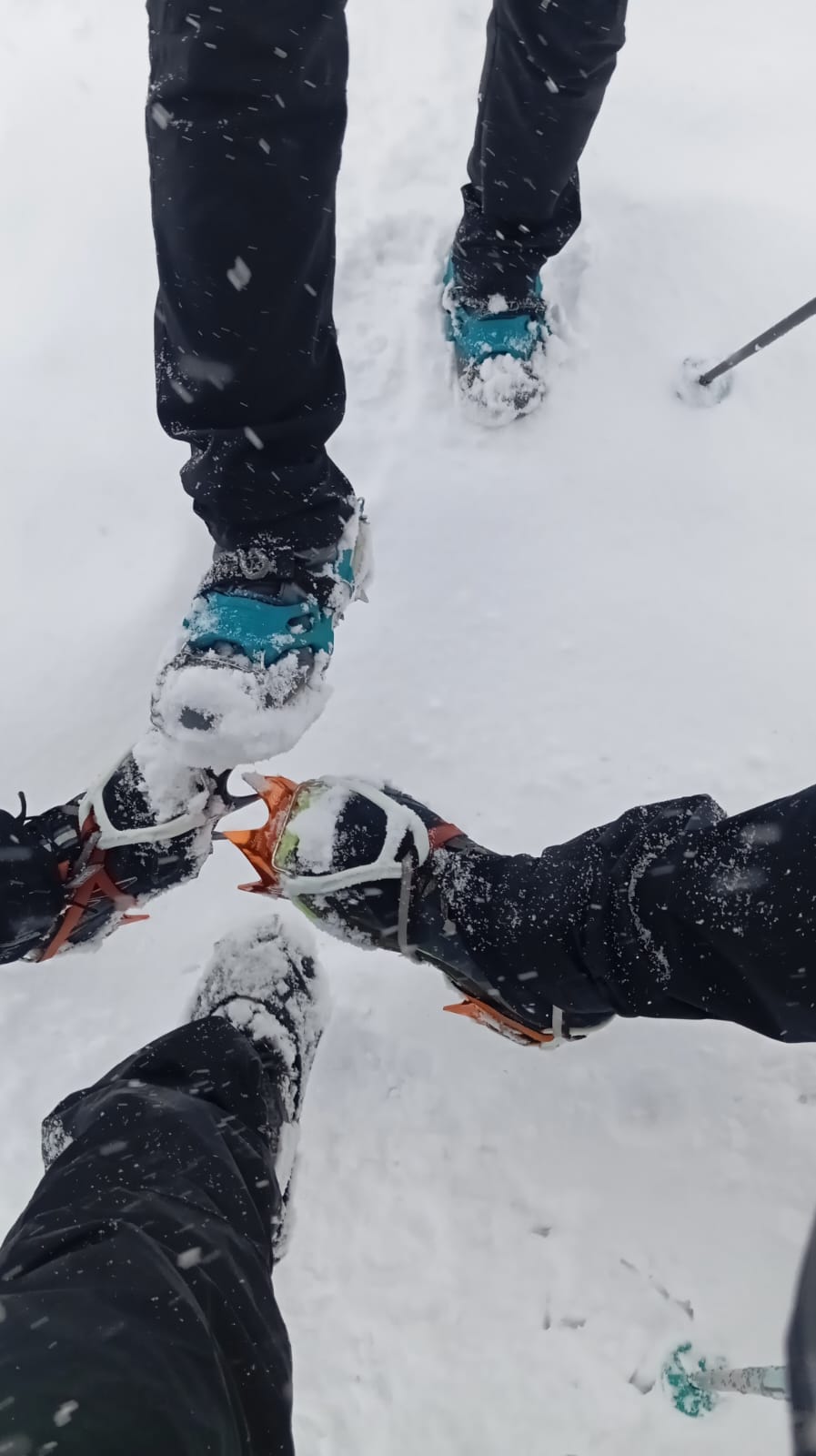
The route takes us across rocky terrain and glaciated slopes, where we use essential mountaineering equipment, including crampons, ice axes, harnesses and fixed ropes where required. Depending on the climbing conditions, our guides will determine the safest route and whether an overnight stop at High Camp is necessary.
After reaching the summit, we will be rewarded with breathtaking panoramic views of Mount Everest, Lhotse, Makalu, Baruntse, Ama Dablam and other spectacular Himalayan peaks.
After celebrating our successful summit, we carefully descend towards Island Peak Base Camp and continue to Chhukung, depending on weather, daylight and the team’s physical condition.
Climbing Duration: Approximately 10–14 hours, depending on conditions.
Overnight Stay: Teahouse in Chhukung (4,730 m), if conditions permit.
After breakfast, we leave Chhukung and begin our descent towards Tengboche. Following the scenic trail through the beautiful Imja Valley, we pass through Dingboche and Pangboche, enjoying magnificent views of Ama Dablam, Lhotse and other Himalayan peaks.
The trail continues through traditional Sherpa villages, alpine landscapes and beautiful forests. After crossing the familiar routes of the Khumbu region, we gradually descend towards Tengboche.
This is a rewarding day after our challenging Island Peak summit adventure, allowing us to enjoy the beautiful mountain scenery at a more relaxed pace.
Trekking Duration: Approximately 7–8 hours.
Overnight Stay: Teahouse in Tengboche (3,860 m).
With the rising sun, after breakfast, we’ll head towards Namche on the same route which takes about four hours. A steep trail will take us to the Dudh Koshi River. We’ll trek through numerous tea shops, villages, and a bridge over the river at Phunki Tenga(3250m). After trekking for a while, we’ll reach the hillside near Namche, from here, we’ll take a last glance of Mt.Everest, Lhotse, Nuptse, and Ama Dablam. After a short walk, we’ll reach Namche Bazaar(3440m).
Overnight Stay in Namche Bazaar.
After breakfast, we leave Namche Bazaar and begin our final trekking day towards Lukla. The trail descends through beautiful Sherpa villages, lush pine forests and along the Dudh Koshi River.
Along the way, we cross several suspension bridges and pass through Monjo, Benkar and Phakding, enjoying the beautiful landscapes of the Everest region one last time.
After a long but rewarding walk, we arrive in Lukla, where we celebrate the successful completion of our Island Peak Climbing adventure with our trekking crew.
Trekking Duration: Approximately 6–7 hours.
Overnight Stay: Teahouse in Lukla (2,860 m).
After breakfast, we transfer to Tenzing-Hillary Airport in Lukla for a scenic flight back to Kathmandu. Enjoy your final aerial views of the magnificent Himalayan mountains and beautiful landscapes of the Everest region during the approximately 30–35-minute flight.
Upon arrival at Kathmandu airport, our representative will welcome you and transfer you to your hotel by private vehicle.
The rest of the day is free for relaxation or exploring the vibrant streets of Thamel. You can celebrate the successful completion of your Island Peak Climbing adventure.
Flight Duration: Approximately 30–35 minutes, subject to weather conditions.
Overnight Stay: Hotel in Kathmandu.
After breakfast, enjoy a cultural sightseeing tour around the beautiful Kathmandu Valley, exploring Nepal’s rich history, traditional architecture and cultural heritage.
Visit some of the valley’s most famous UNESCO World Heritage Sites, including Kathmandu Durbar Square, Swayambhunath (Monkey Temple), Boudhanath Stupa and Pashupatinath Temple, depending on available time.
Discover the unique traditions, ancient temples, Buddhist stupas and vibrant local culture that make Kathmandu one of the most fascinating destinations in Nepal.
In the evening, we will organize a special farewell dinner at a traditional Nepali restaurant, celebrating the successful completion of your Island Peak Climbing adventure with our team.
Activity: Kathmandu cultural sightseeing and farewell dinner.
Overnight Stay: Hotel in Kathmandu.
Today marks the end of your memorable Island Peak Climbing adventure in Nepal. After breakfast, our representative from Hiking Himalayas Treks & Expedition will transfer you to Tribhuvan International Airport by private vehicle according to your international flight schedule.
Our team will assist you with your departure arrangements and bid you a warm farewell, taking home unforgettable memories of the Himalayas, Sherpa culture and your successful Island Peak expedition.
Thank you for choosing Hiking Himalayas Treks & Expedition. We hope to welcome you again for another exciting adventure in Nepal.
Have a safe journey home!
Not satisfied with this regular itinerary? Make your own.
All the trekking itineraries are flexible and can be revised in order to best meet your requirements i.e. your time, interests etc. Hence, please suggest us your preferences so that we can prepare the program accordingly and quote the price for the same. You are kindly requested to always feel free to contact us for any information that you require. Your queries are always welcomed and we will be privileged to furnish you with the required information.
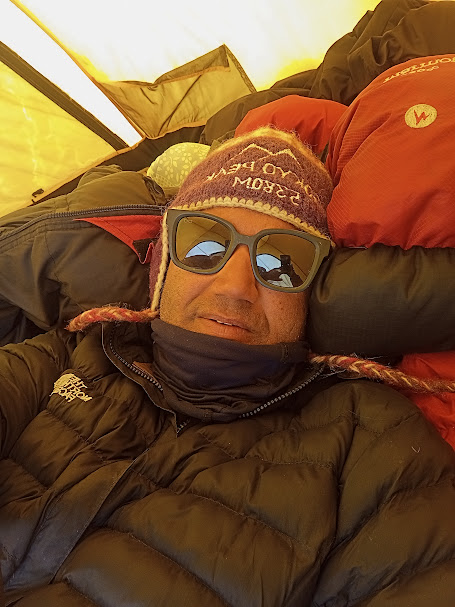

The following is a list of clothing and accessories we recommend for the Island Peak Expedition. This is not intended to be a comprehensive clothing and equipment list. Rather it is designed to act as a reminder of those items that we feel are necessary for your comfort and convenience. However, we recognize that you may have your own personal preferences for clothing which may be equally as suitable.
Head
Sun hat or scarf
Sunglasses
Neck gaiter
Ski goggles (optional)
Headlamp
Climbing helmet (optional)
Upper Body
T-shirts (4)
Light and expedition-weight thermal tops
Fleece jacket or sweater
Head Lamp
Sun Glasses
Softshell Jacket
Hardshell Jacket
Hands
Expedition Mittens
Heavyweight gloves or mittens with a waterproof shell outer
Softshell Gloves
Lightweight Gloves
Lower Body
Underwear (4)
Hiking shorts (4)
Softshell Pants
Hardshell Pants
Insulated Synthetic Pants
Waterproof (preferably breathable fabric) shell pants
Feet
Thin, lightweight inner socks (4)
Thick, warm wool hiking socks (4)
Hiking boots with spare laces
Camp shoes (sneakers and/or sandals)
Thin, lightweight inner socks (4)
Gaiters
Accessories
Sleeping bag rated -10C to -20C
Headlamp and batteries
Basic First Aid Kit (see Health and Medicinal)
Crampons
Toiletries
Ice Axe
Small wash towel
Waist Leash
Water bottles
Climbing Harness
Standard Carabiners
Belay Device
Ascender
Optional Items
Swiss Knife
Playing cards/backgammon/chess set
Books (Highly Recommended)
Binoculars
Hiking Himalayas is an authorized government-licensed trekking and touring company based in Nepal, with more than 20+ years of experience in the tourism industry. Our organization focuses on customer satisfaction and quality services and comprises experienced and licensed tourist guides.
For Island Peak Expedition, the best seasons are autumn(September, October, and November) and spring(March, April, and May). The Winter season can be a little harsh due to heavy snowfall in the Everest Region and the Peak itself but this season is less crowded.
Island Peak is perfect for climbers wanting to climb a technical peak over 6000 meters. It is also considered a practice peak for those climbing mountains above 8000 meters in the coming days.
Island Peak can be challenging for beginning alpine climbers as this peak climbing needs some rope fixings to reach the summit and our guides will fix ropes for you.
Yes, Internet facilities are available on the Everest Trail. You'll get Wifi card available on the trail. With this card, you'll be able to use wifi in the Everest region for certain days. This wifi card will cost you according to the package you choose.
Yes, we always welcome our client's preferences and tastes. You can make your own day plan, feel free to email us. And, you also can add Everest Base Camp to this trip.
Yes, you'll be able to rent Climbing equipment in Kathmandu. Our agency will hook you up with equipment rentals if you want to rent Climbing equipment.