Loading ...

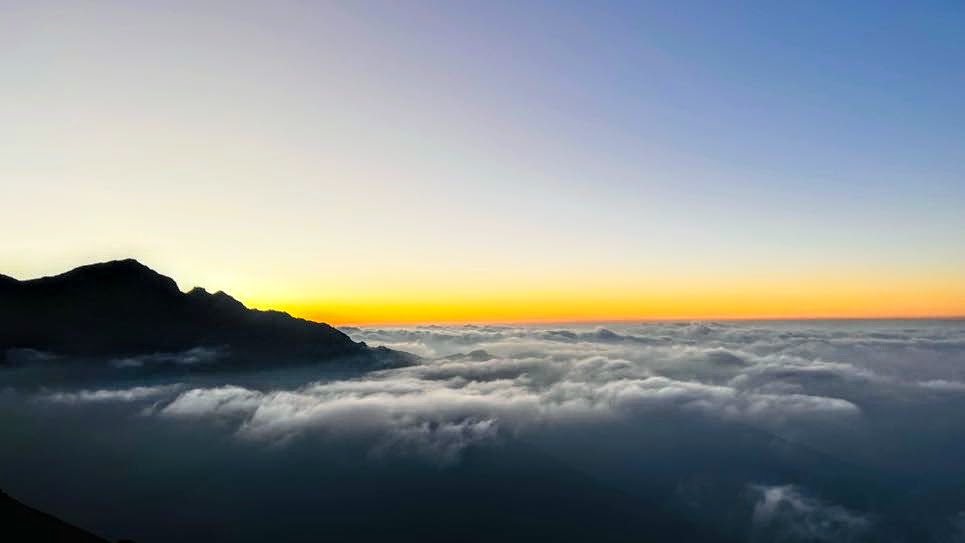


The Mardi Himal Trek is a beautiful trekking route in Nepal’s Annapurna region, offering breathtaking Himalayan views, peaceful forest trails, and authentic cultural experiences. Mardi Himal stands at an elevation of 5,587 meters (18,330 feet), and the trek takes you through lush rhododendron forests, traditional villages, and spectacular mountain landscapes.
The Mardi Himal Trek is a beautiful short trekking adventure in the Annapurna region of Nepal. This journey offers breathtaking views of Mardi Himal, Machhapuchhre and the Annapurna range. Enjoy peaceful forest trails, traditional mountain villages and unforgettable Himalayan scenery during the Mardi Himal Trek.
The Mardi Himal Base Camp Trek is an excellent choice for travelers seeking a quieter Himalayan adventure away from some of Nepal’s busier trekking routes. With scenic high-altitude trails, beautiful mountain scenery, and welcoming local communities, the Mardi Himal Trek offers a memorable experience for nature lovers and adventure seekers.
Whether you are visiting Nepal for the first time or looking for a new trekking experience in the Annapurna region, the Mardi Himal Trek combines natural beauty, mountain adventure, and cultural discovery.
The Mardi Himal trek takes adventurous souls into the heart of the Annapurna region, a geographical wonderland in Nepal. This enchanting journey unfolds against a backdrop of the mighty Himalayas, offering a diverse and ever-changing landscape. As trekkers ascend, they venture through lush subtropical forests, where colorful rhododendron blooms carpet the path, creating a mesmerizing scene. Further upwards, alpine meadows give way to rocky terrain, leading to the ultimate destination, Mardi Himal Base Camp, perched at around 4,500 meters (14,764 feet) above sea level.
This elevation offers breathtaking panoramas of nearby peaks, including Annapurna I, Machapuchare (Fishtail), and Hiunchuli, which form a stunning geographical tapestry. The region’s rivers and streams, notably the Modi Khola, meander through the valleys, while glimpses of glaciers hint at the formidable forces of nature at play. Amid this geographical diversity, trekkers also encounter quaint Gurung and Magar villages, adding a cultural dimension to this remarkable journey. The Mardi Himal trek is a geographical masterpiece, where every step brings you closer to the awe-inspiring beauty of the Himalayan landscape.
The Mardi Himal Base Camp Trek offers a captivating blend of natural beauty and rich cultural experiences. As you embark on this adventure, you’ll follow a trail that takes you through diverse landscapes and introduces you to the warm hospitality of the local communities along the way.
1. Starting Point: The trek typically begins in the picturesque lakeside city of Pokhara, a gateway to many treks in the Annapurna region. From Pokhara, a short drive takes you to the trailhead at Phedi or Kande, depending on your chosen route.
2. Lush Subtropical Forests: The early part of the trek leads you through lush subtropical forests adorned with vibrant rhododendron blooms (especially in spring) and moss-covered trees. It’s a scenic and refreshing start to the journey.
3. Gurung and Magar Villages: As you ascend, you’ll come across charming Gurung and Magar villages such as Dhampus, Landruk, and Deurali. These settlements offer an opportunity to immerse yourself in the local culture. You can interact with the villagers, observe their daily lives, and even stay in teahouses run by these welcoming communities.
4. Cultural Insights: The Gurung and Magar people have their own unique traditions, dances, and festivals. You might have the chance to witness some of these cultural events or even participate if you time your trek right. Don’t miss the chance to savor traditional Nepali cuisine and warm dal bhat (rice and lentil soup) served with a smile.
5. Alpine Meadows: As you ascend higher, the landscape transitions to alpine meadows. These open areas are often dotted with yaks grazing peacefully, providing a rustic charm to the trek.
6. Panoramic Mountain Views: One of the highlights of the trek is the stunning panoramic views of the Annapurna and Dhaulagiri mountain ranges. The view from Mardi Himal Base Camp itself is a breathtaking reward for your efforts.
7. Tea Houses and Lodges: Along the trail, you’ll find tea houses and lodges that offer basic but comfortable accommodation. This is where you can rest, enjoy hot meals, and swap stories with fellow trekkers.
8. Local Guides and Porters: Hiring local guides and porters can enhance your cultural experience by providing insights into the region’s history, culture, and traditions. They can also facilitate communication with local villagers.
9. Cultural Etiquette: While interacting with locals, it’s important to be respectful of their customs and traditions. Learning a few basic Nepali phrases or greetings can go a long way in building connections.
The Mardi Himal Base Camp Trek is not just about the stunning mountain views but also about the rich cultural tapestry that accompanies the journey. It’s a trek that allows you to connect with both nature and the warm-hearted people who call this enchanting region their home.
Facilities and accommodation along the Mardi Himal Trek cater to trekkers’ basic needs while maintaining a rustic charm that allows you to immerse yourself in the natural beauty and culture of the region. Here’s an overview of what you can expect in terms of facilities and accommodation:
Remember that facilities become more basic as you ascend to higher altitudes, so be prepared for a more rustic experience as you approach Mardi Himal Base Camp. Packing wisely and maintaining a flexible attitude will help you make the most of your trekking adventure while enjoying the natural beauty and cultural richness of the region.
1. Duration: The Mardi Himal Trek typically takes around 7-10 days, depending on the chosen itinerary and starting point.
2. Permits: Clients will need two permits for this trek: the Annapurna Conservation Area Permit (ACAP) and the Trekker’s Information Management System (TIMS) card. These can be obtained in Kathmandu or Pokhara.
3. Best Time to Trek: The ideal trekking seasons are spring (March to May) and autumn (September to November) when the weather is clear, and the views are most stunning.
4. Accommodation: Lodges and teahouses are available along the trail, offering basic but comfortable accommodation and traditional Nepali meals.
5. Guides and Porters: It’s highly recommended to hire a local guide and/or porter for added convenience, safety, and to support the local economy.
6. Packing: Clients should bring suitable trekking gear, including layers for changing weather, a good pair of hiking boots, a warm sleeping bag, and a reliable backpack.
7. Health and Safety: Adequate physical preparation and travel insurance are essential. Altitude sickness can be a concern, so clients should acclimatize properly and be aware of its symptoms.
Beginners can successfully embark on the Mardi Himal Trek in Nepal’s Annapurna region, which serves as an excellent introduction to trekking. The well-maintained trail features some steep sections but is not overly strenuous, typically taking 4-6 days to allow for acclimatization. Trekkers are treated to stunning views of the Annapurna and Machapuchare mountains. With proper gear, hydration, and a relaxed pace, Mardi Himal Base Camp offers a memorable and achievable experience for novice trekkers.
Alternative Treks You Can Consider in Mardi Himal Trek
While the Mardi Himal Base Camp trek is a fantastic choice, there are several alternative treks in the same region that you can consider if you’re looking for different experiences or want to extend your journey:
1. Annapurna Base Camp (ABC) Trek: This is one of the most popular treks in the Annapurna region. It offers stunning views of the Annapurna and Machapuchare mountains and takes you through beautiful forests, terraced fields, and traditional Gurung and Magar villages.
2. Ghorepani Poon Hill Trek: This is a relatively short trek known for its sunrise views from Poon Hill, which offers panoramic vistas of the Annapurna and Dhaulagiri mountain ranges. It’s a great option for those with limited time.
3. Annapurna Circuit Trek: If you’re looking for a longer and more challenging trek, the Annapurna Circuit might be your choice. It circumnavigates the entire Annapurna massif and offers diverse landscapes, from lush subtropical forests to arid high-altitude plateaus.
4. Khayer Lake Trek: This trek takes you to the serene Khayer Lake, offering views of the Annapurna and Dhaulagiri ranges. It’s a less crowded alternative to the ABC trek, with opportunities to experience local culture.
5. Sikles Trek: This off-the-beaten-path trek leads you to the picturesque Gurung village of Sikles. You’ll encounter traditional culture and enjoy views of the Annapurna and Manaslu ranges.
6. Khopra Danda Trek: This trek leads to the lesser-visited Khopra Ridge, which provides breathtaking views of the Annapurna and Dhaulagiri mountains. It’s a serene alternative to more crowded treks in the region.
7. Nar Phu Valley Trek: For a more remote and culturally rich experience, consider the Nar Phu Valley trek. You’ll explore hidden valleys, visit ancient monasteries, and encounter Tibetan-influenced villages.
When choosing an alternative trek, consider factors such as your fitness level, the duration of your trip, and your interests. Each of these treks offers its own unique charm and scenery, making the Annapurna region of Nepal a treasure trove for trekking enthusiasts.
The Mardi Himal trek offers an enjoyable adventure for trekkers of all experience levels, featuring manageable difficulty, stunning mountain views, and a chance to connect with the natural beauty of the Annapurna region. As you journey through lush forests, quaint villages, and alpine landscapes, the trek to Mardi Himal Base Camp provides breathtaking vistas and a rewarding experience, making it ideal for both beginners and seasoned hikers seeking a shorter, less crowded route.
In summary, the Mardi Himal Base Camp trek is a hidden gem in the Annapurna region, offering a harmonious blend of natural beauty, cultural experiences, and the thrill of high-altitude trekking. Whether you’re seeking stunning mountain vistas or a less crowded trekking route, Mardi Himal delivers on all fronts, making it a must-visit destination for trekking enthusiasts.
The Mardi Himal Trek is a scenic journey through the beautiful Annapurna region of Nepal. Enjoy peaceful forest trails, traditional villages, stunning mountain views and the breathtaking Mardi Himal viewpoint. This trek offers an unforgettable Himalayan adventure with comfortable overnight stays along the route.
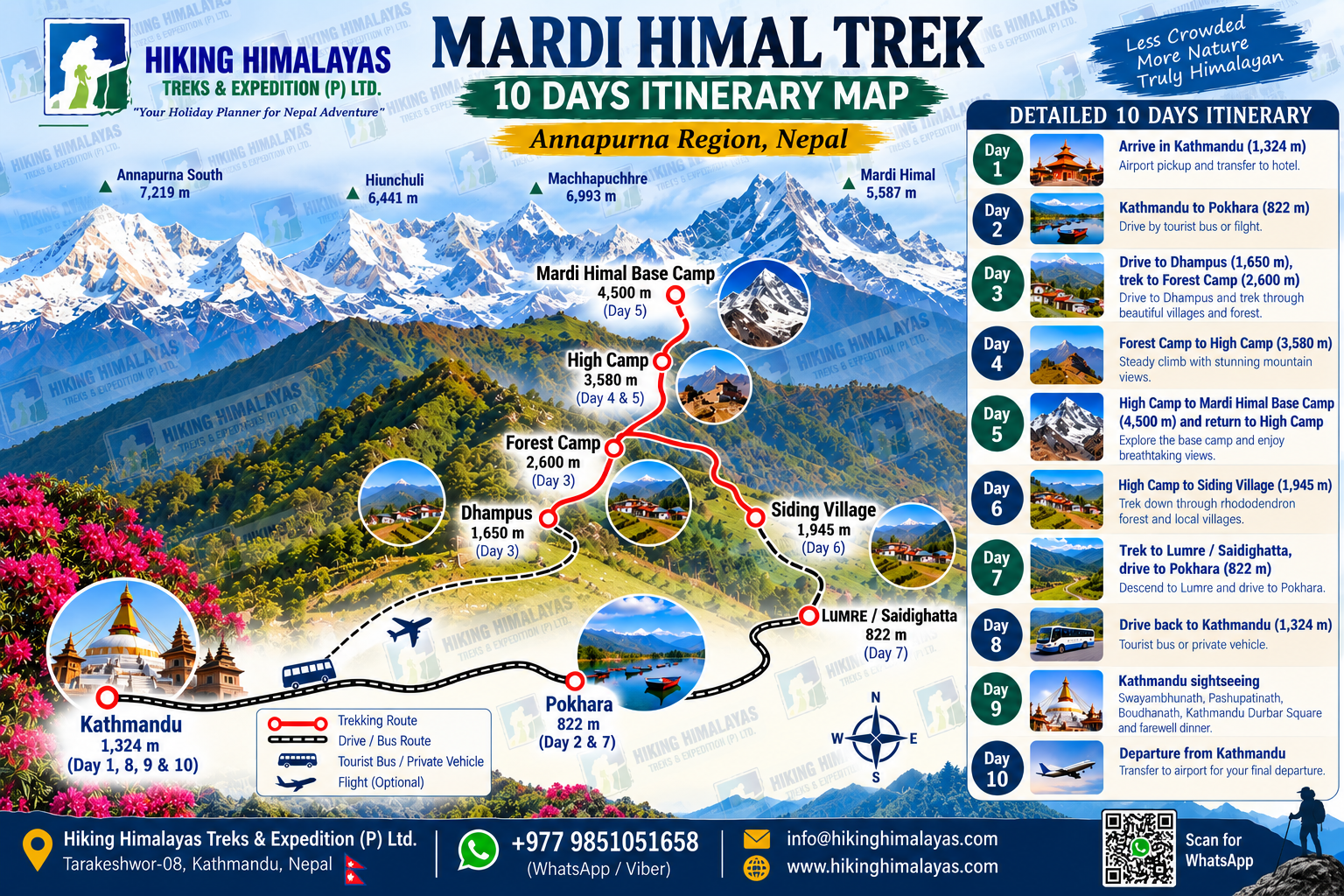
Upon arrival at Tribhuvan International Airport (1,400 m), our representative will welcome you and transfer you to your hotel. Enjoy your free time and prepare for your Mardi Himal Trek.
Airport Transfer: Approximately 30 minutes
Altitude: 1,400 m
Overnight Stay in Kathmandu
After breakfast, travel from Kathmandu to Pokhara by tourist bus or domestic flight. Enjoy beautiful landscapes along the journey. Upon arrival, transfer to your hotel and explore the lakeside area of Pokhara.
Distance: Approximately 200 km
Drive Duration: 6–8 hours by road
Flight Duration: 25–30 minutes
Altitude: Pokhara – 822 m
Overnight Stay in Pokhara.
After breakfast, drive from Pokhara to Kande (1,770 m), approximately 1 hour. Begin trekking through beautiful forests to Australian Camp (2,060 m), enjoying panoramic views of the Annapurna and Machhapuchhre ranges. Continue via Pothana and Deurali towards Forest Camp (2,600 m). The total trekking time is approximately 5–6 hours.
Overnight stay at Forest Camp.
Leaving behind, The Forest Camp, we’ll walk towards the High Camp(3580m). If lucky enough, you’ll be able to hear the singing of Nepal’s National Bird “Danphe”. We’ll take a break in the low camp for our lunch whilst enjoying the beauty of Mt. Machapuchhre. We’ll continue our trek towards High Camp, whilst enjoying the Annapurna South, Mt. Hiunchuli. We’ll end today’s trek at High Camp – the final destination of the day.
Overnight stay at High Camp.
Early in the morning, hike to Mardi Himal Base Camp (4,500 m) and enjoy spectacular views of the Annapurna and Machhapuchhre mountains. The hike takes approximately 3–4 hours uphill. After enjoying the mountain scenery, trek back to Low Camp (2,970 m), taking around 3–4 hours.
Overnight stay at Low Camp.
After breakfast, trek downhill from Low Camp to Siding Village through beautiful forest trails and traditional mountain settlements. The trek takes approximately 3–4 hours. Upon reaching Siding, drive back to Pokhara, which takes around 2–3 hours. Enjoy a relaxing and exploring few lake around .
Overnight stay in Pokhara.
After breakfast, choose to fly or drive from Pokhara to Kathmandu. The scenic drive takes approximately 6–7 hours by tourist bus, while the flight takes around 25 minutes. Upon arrival in Kathmandu, we’ll transfer you to your hotel. In the evening, enjoy a special farewell dinner with our team to celebrate your Mardi Himal trekking adventure.
Overnight stay at Kathmandu.
After breakfast, enjoy a half-day sightseeing tour of Kathmandu Valley. Visit the famous Swayambhunath Stupa, Boudhanath Stupa and Pashupatinath Temple, depending on your available time. After sightseeing transfer to Tribhuvan International Airport for your departure flight. Our team will assist you with your airport transfer and wish you a safe journey home.
Important Information: Sightseeing and airport transfer schedules will be arranged according to your flight time. We recommend reaching the airport at least 3 hours before your international flight.
Sightseeing Duration: 2–4 hours
Driving Duration: Approximately 1–2 hours, depending on traffic.
Airport Transfer: As per flight schedule.
Not satisfied with this regular itinerary? Make your own.
The Mardi Himal Trek is a scenic Himalayan adventure offering beautiful mountain views, peaceful forest trails and traditional villages. Trekking hours and driving times may vary depending on weather, trail conditions and group pace. We recommend carrying warm clothing, comfortable trekking shoes and essential personal items.
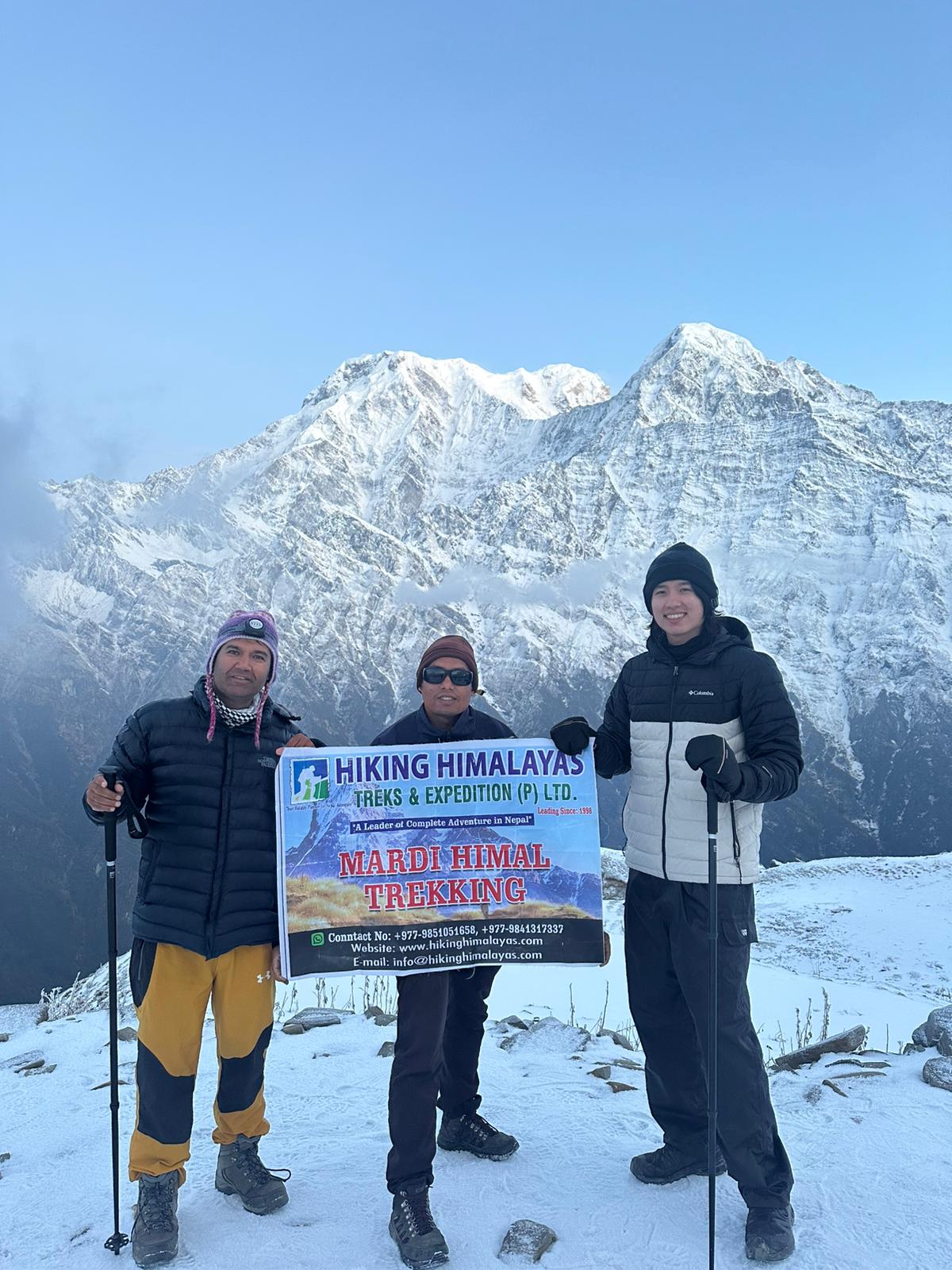


Trekking in the Mardi Himal region, like any Himalayan trek, requires appropriate equipment to ensure your safety and comfort. Here’s a list of essential trekking equipment you should consider packing for the Mardi Himal trek:
Remember that you can rent some trekking equipment in Kathmandu or Pokhara if you don’t want to invest in everything, but make sure to check the condition of rented gear. Additionally, it’s essential to layer your clothing appropriately to adjust to changing weather conditions as you ascend and descend in altitude. Packing smartly and ensuring you have the right gear will enhance your comfort and safety during the Mardi Himal trek.
This trek is suitable for a trekker looking for a peaceful and uncrowded trail in the Himalayas. This trek is also one of the best alternatives to the ABC trek as it not only offers the same panoramic view of the Annapurna ranges but also a relatively uncrowded trail even in the peak trekking seasons.
The best season for trekking this trail is in Autumn (September, October, and November), and Spring (March, April, and May). The temperature of this region is neither hot nor cold in these seasons. The average temperature of Mardi Trail in these seasons is around 20°C.
Yes, this trail can be trekked in the winter but it can be challenging in the winter as it is filled with lots of snow. The average temperature of this trail is 10°C in the winter season. And the nights can reach up to -5°C. You may face difficulties while walking in snow-covered areas. You’re suggested to bring winter jackets and clothes to keep you warm. Although the difficulties you’ll face in the snow, you can enjoy a clear sky as there will not be much clouds to block the scenic beauty of the mountains.
No, you won't have any problems with high altitude sickness as our team is experienced and trained to deal with such situations. Our experienced guides will acclimatize you gradually and move forward.
With more than 20+ years of experience in the tourism industry, our organization focuses on customer satisfaction and quality services. Our team comprises experienced and licensed tourist guides and moreover, Our agency is a registered travel agency under the Ministry of Tourism. It is also a license holder of NMA, NTB, NRB.
Guides from our agency can communicate in English, Nepali, and Hindi. So, as long as you can understand these languages you won't face any language-based problems.
Yes, the guides from our agency are all insured. We make sure that all our team members are insured including team leaders, guides, etc.
Yes, Internet facilities are available on the Mardi Trail. Nepal Telecom has established a telephone tower in high camp. So, you won't have any restrictions for phone calls and internet data services.
All Inclusive Price.
Do not hesitage to give us a call. We are an expert team and we are happy to talk to you.